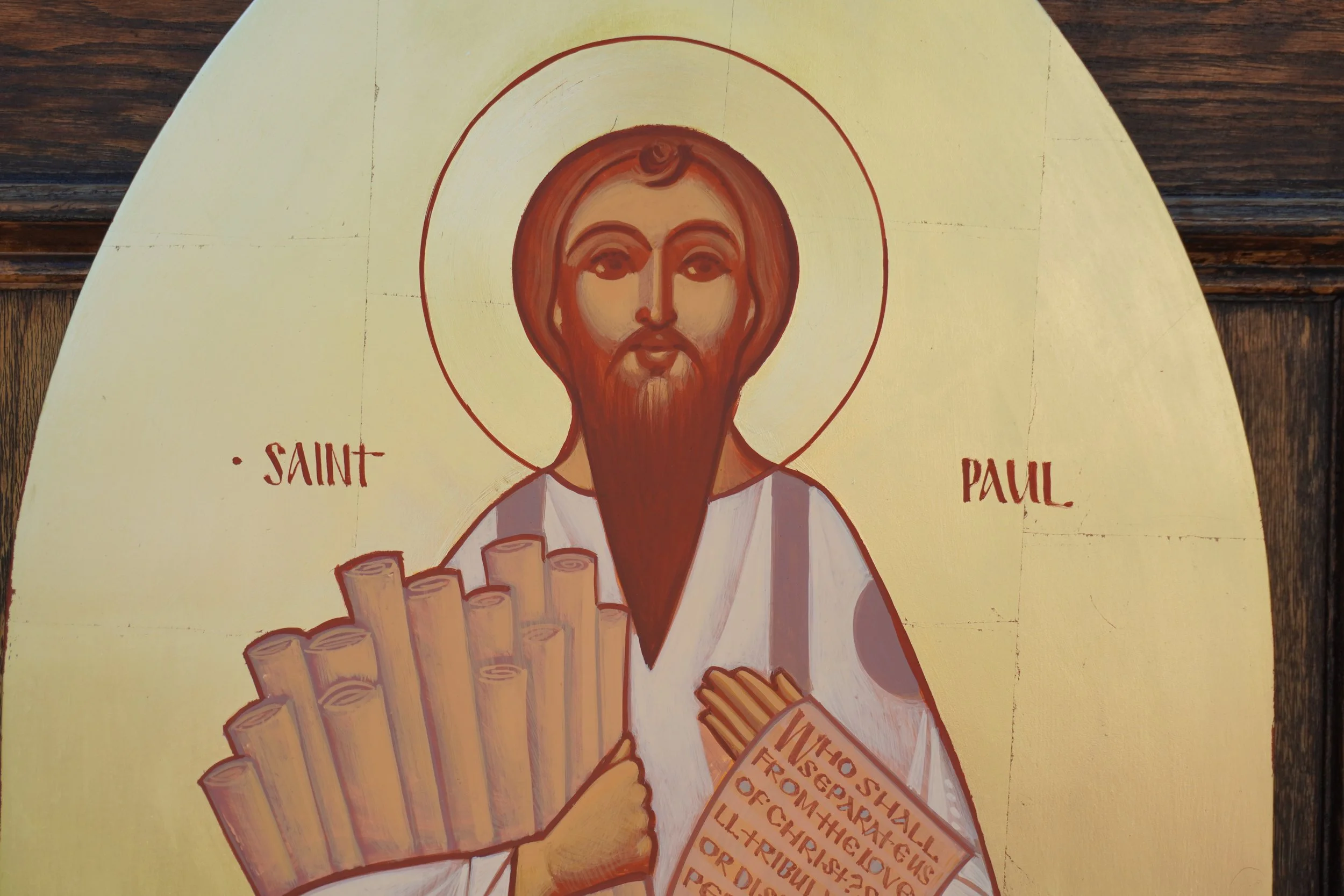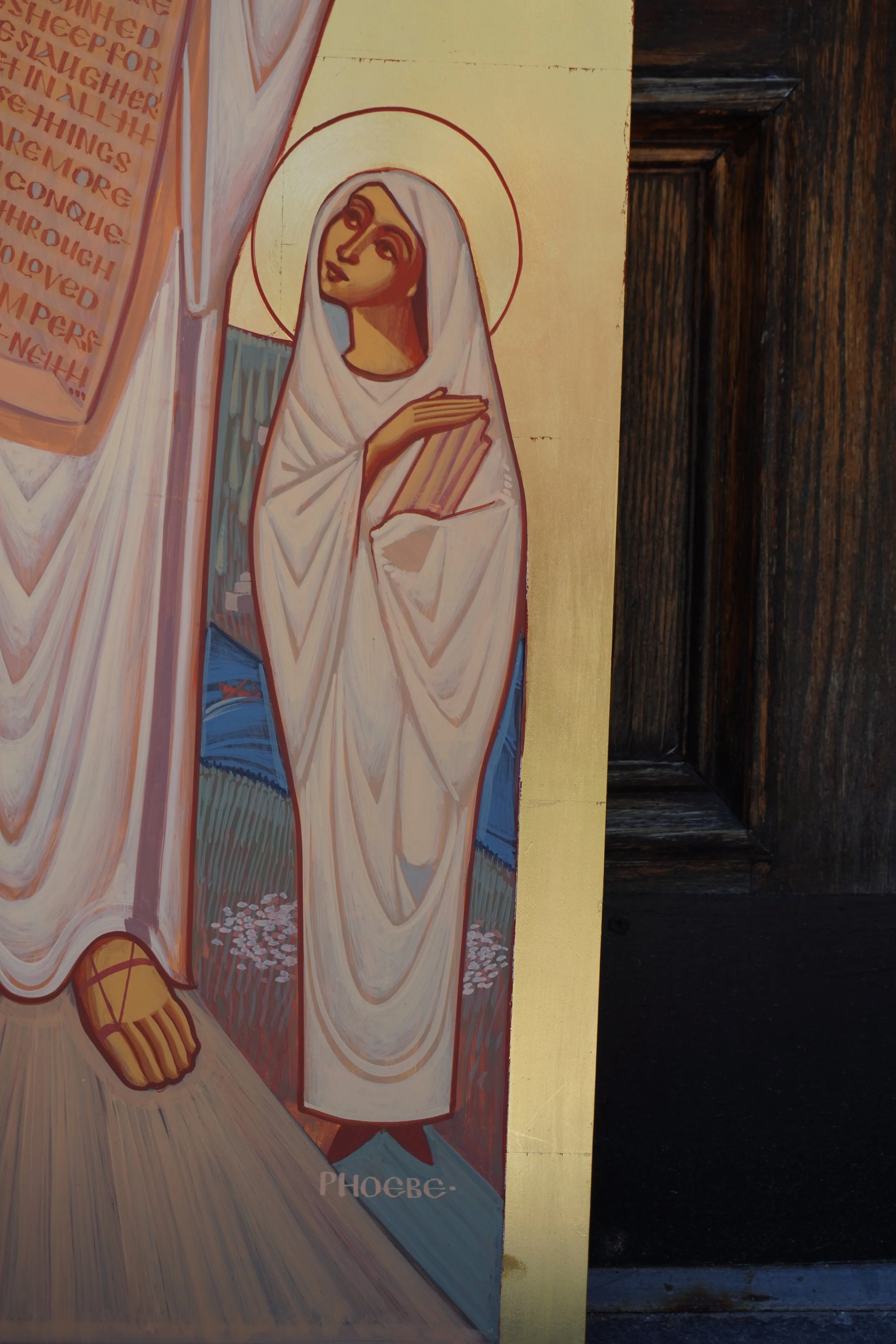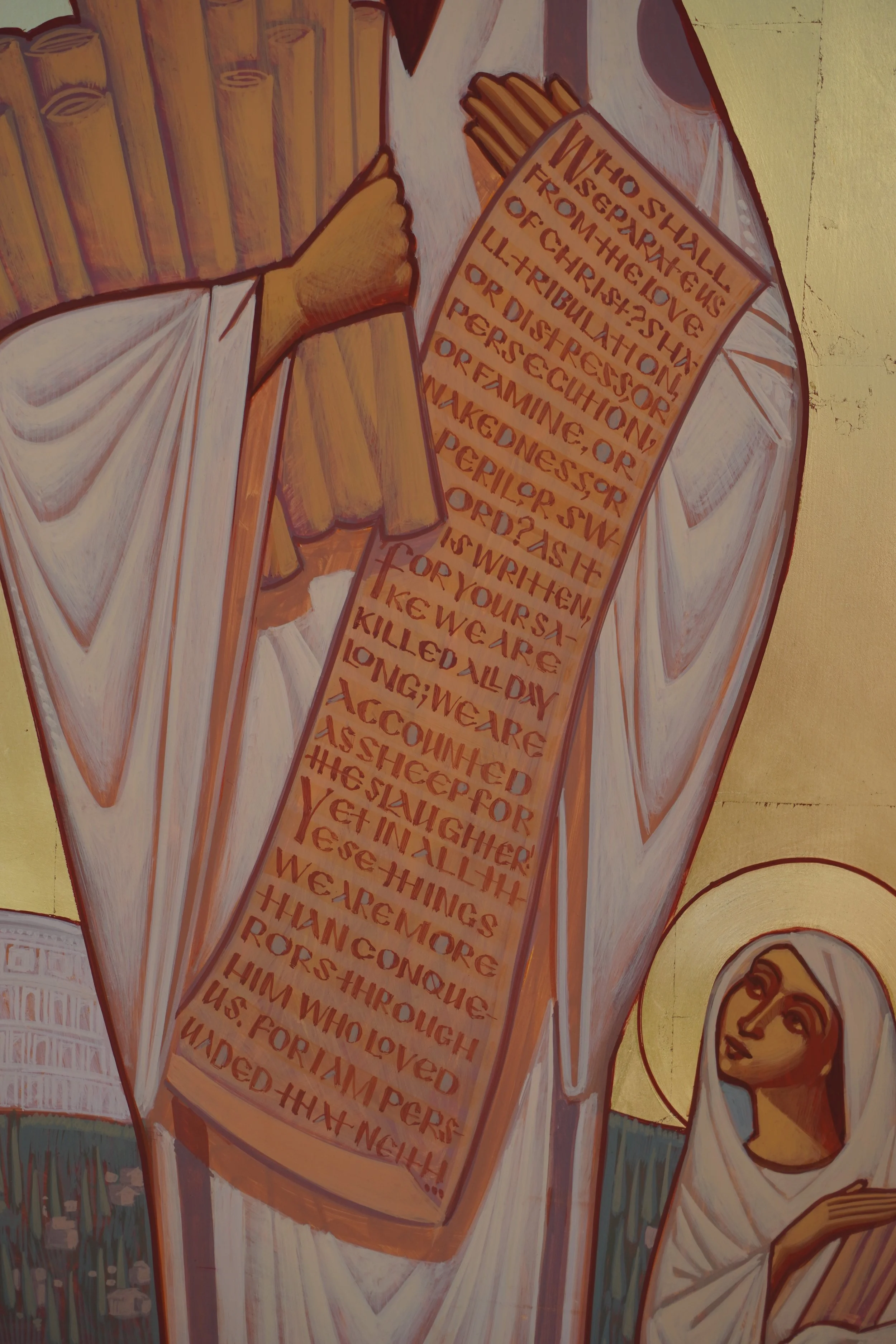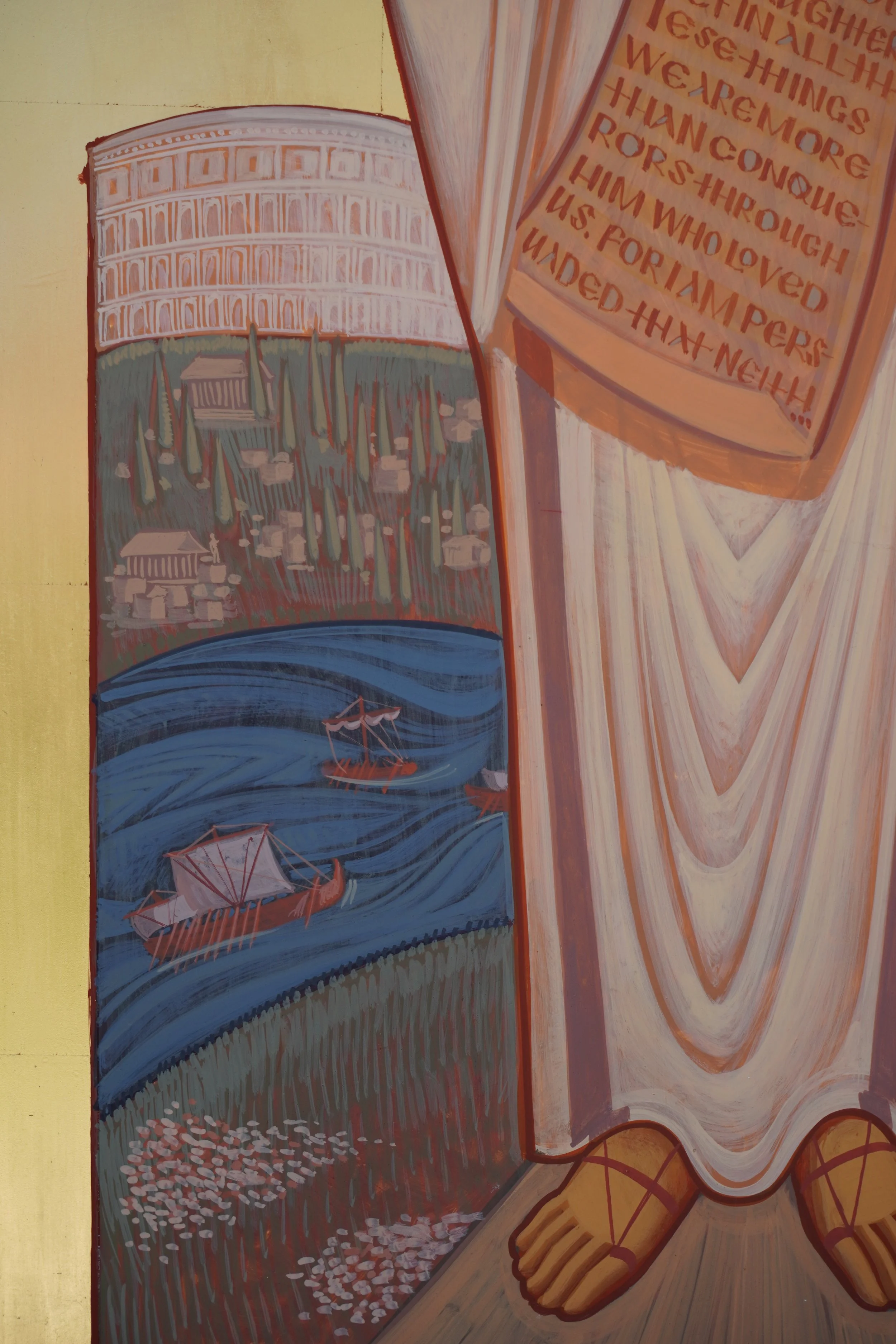
St Paul Coptic Orthodox Church, Chicago
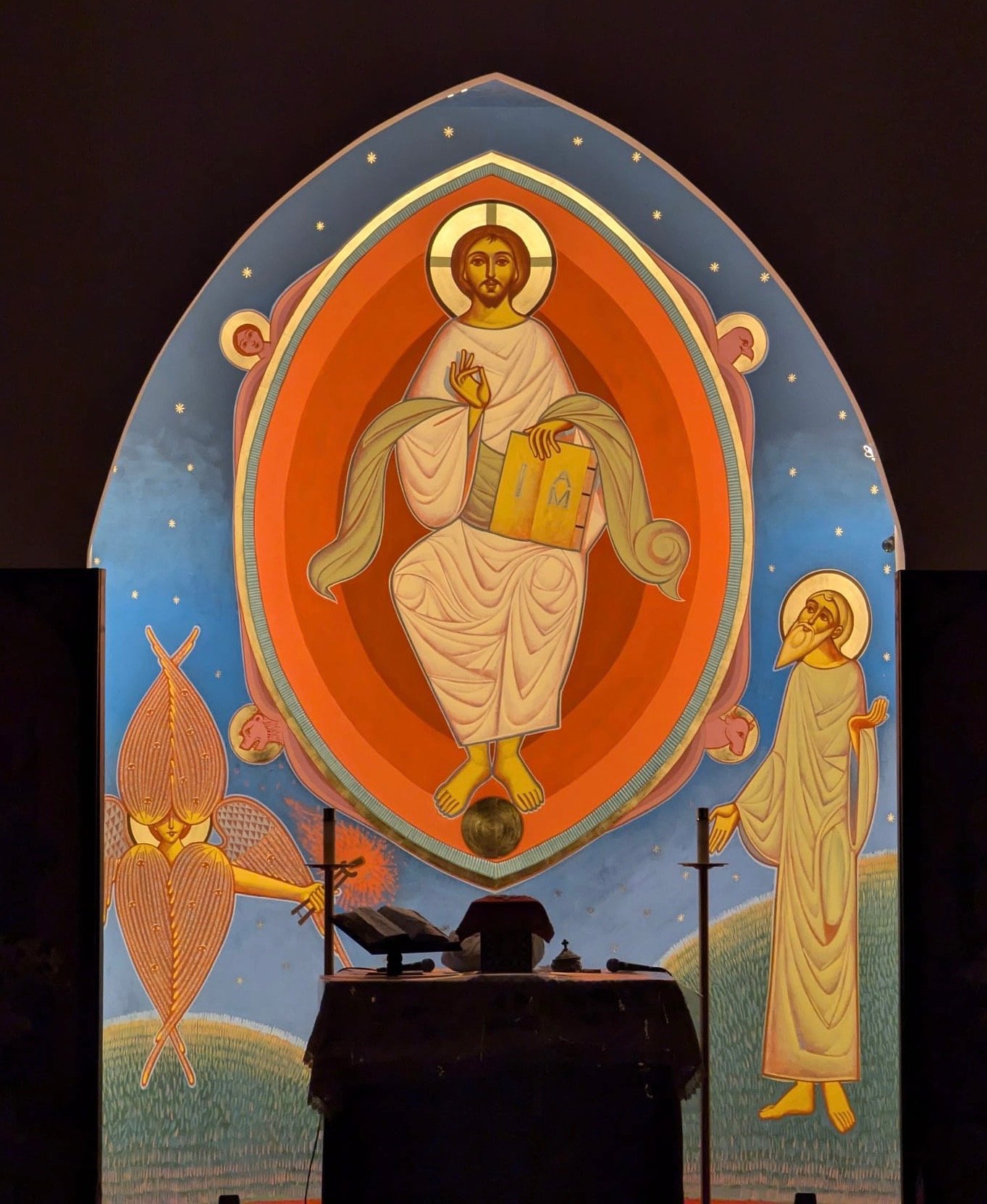
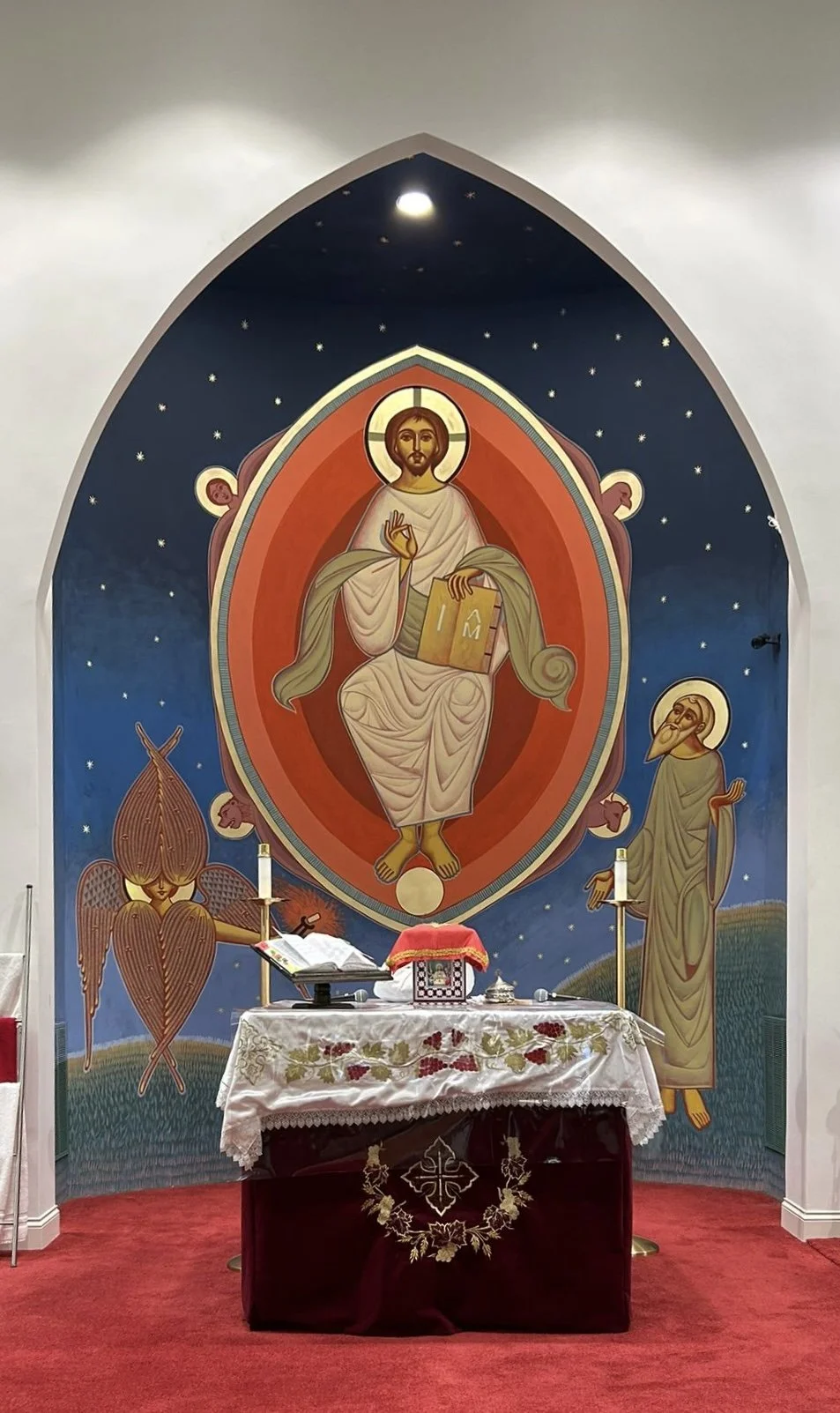
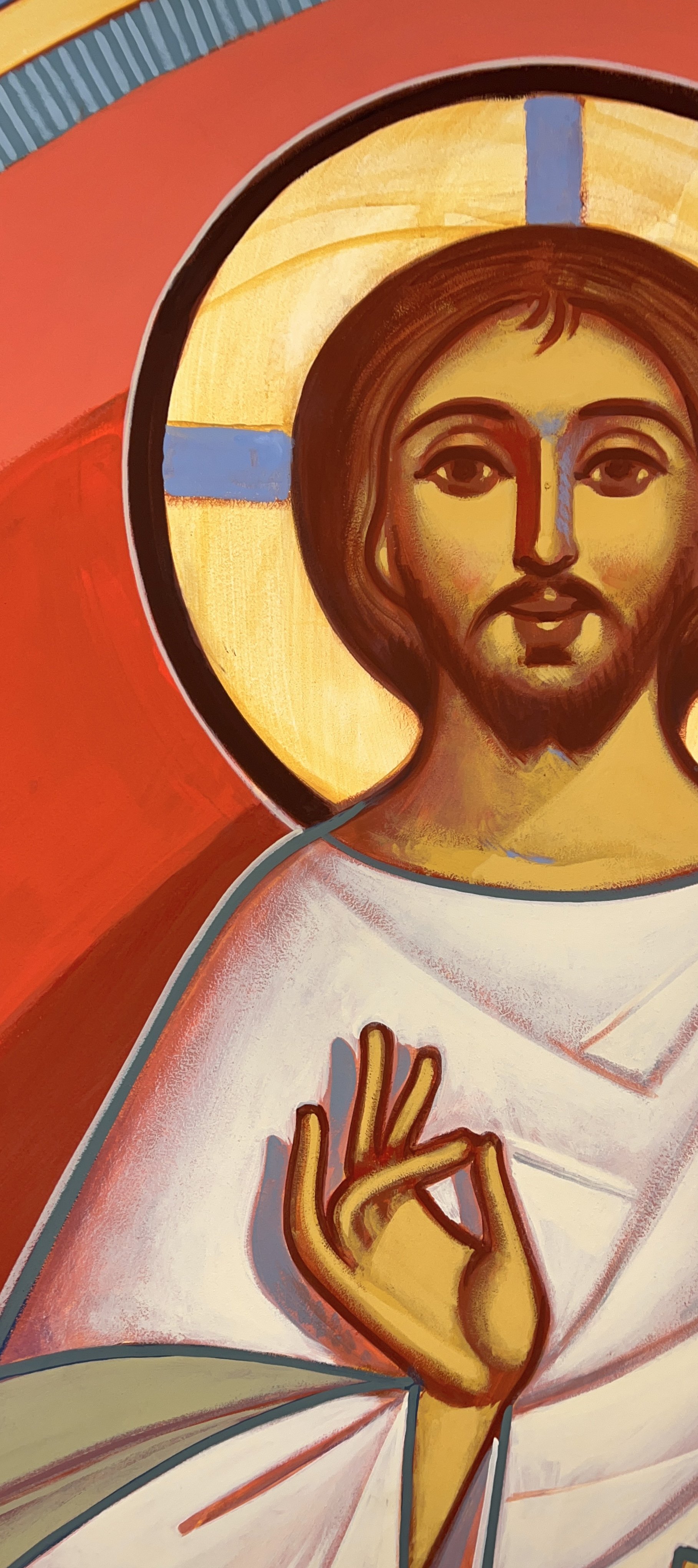
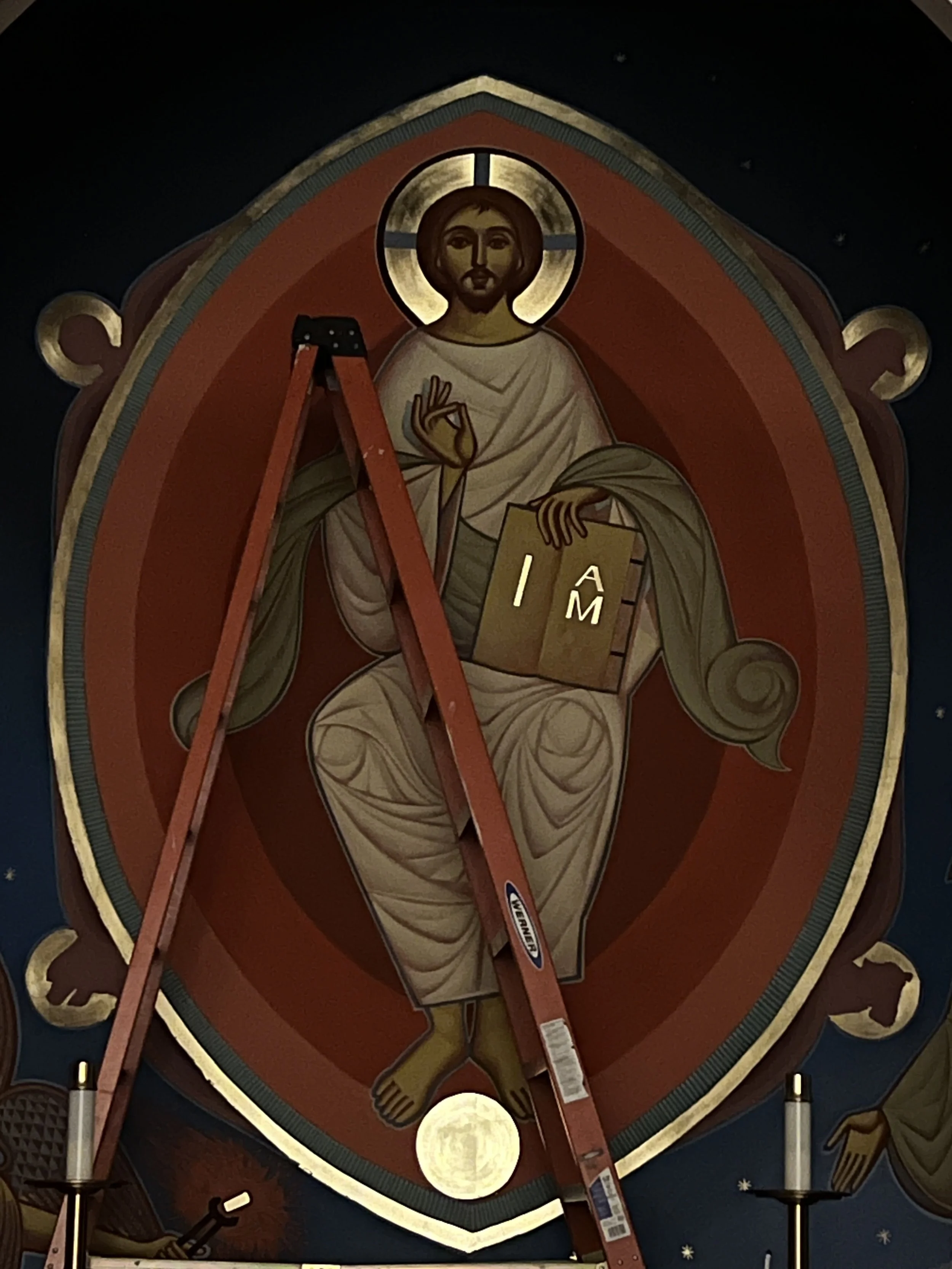
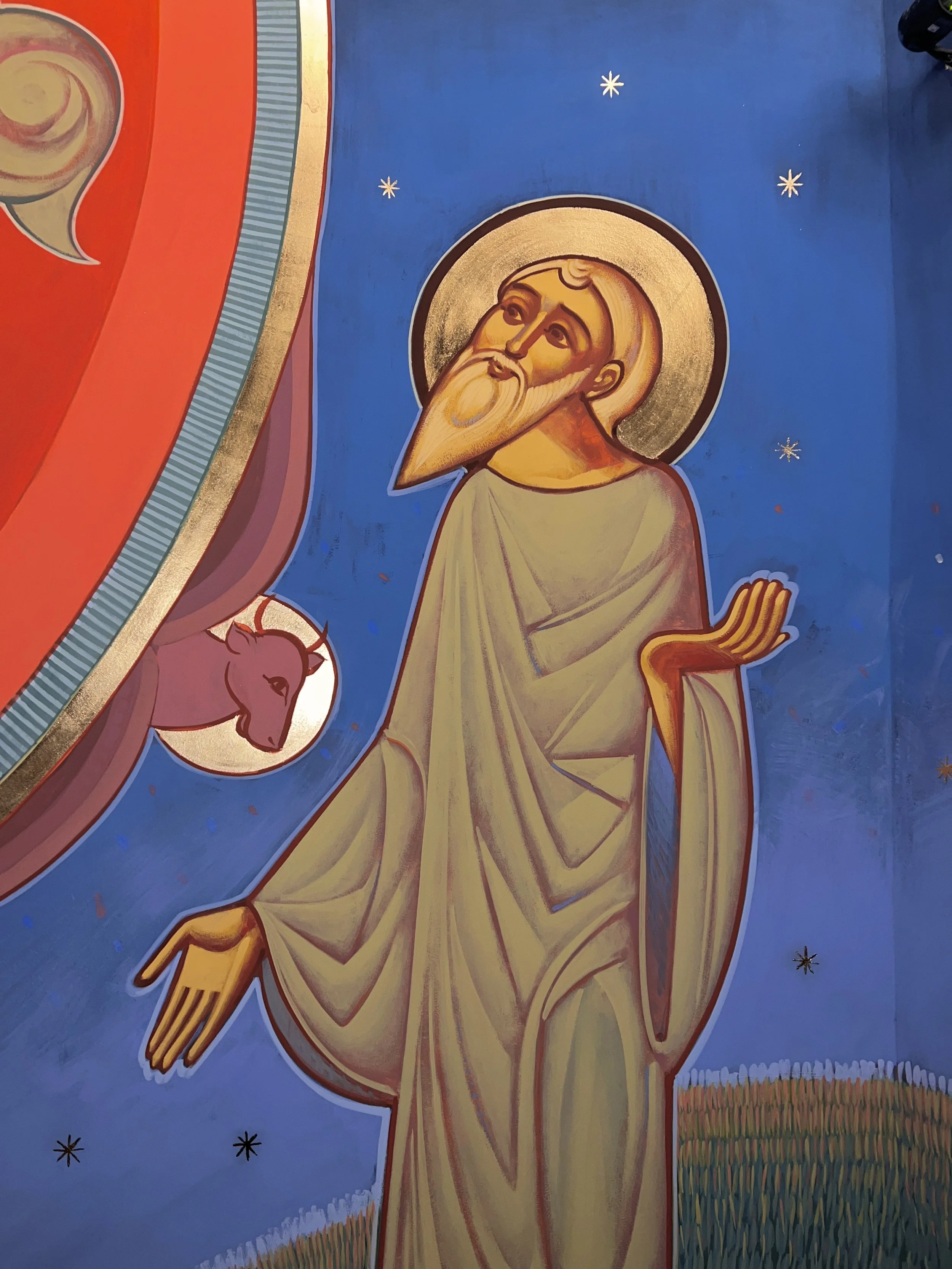
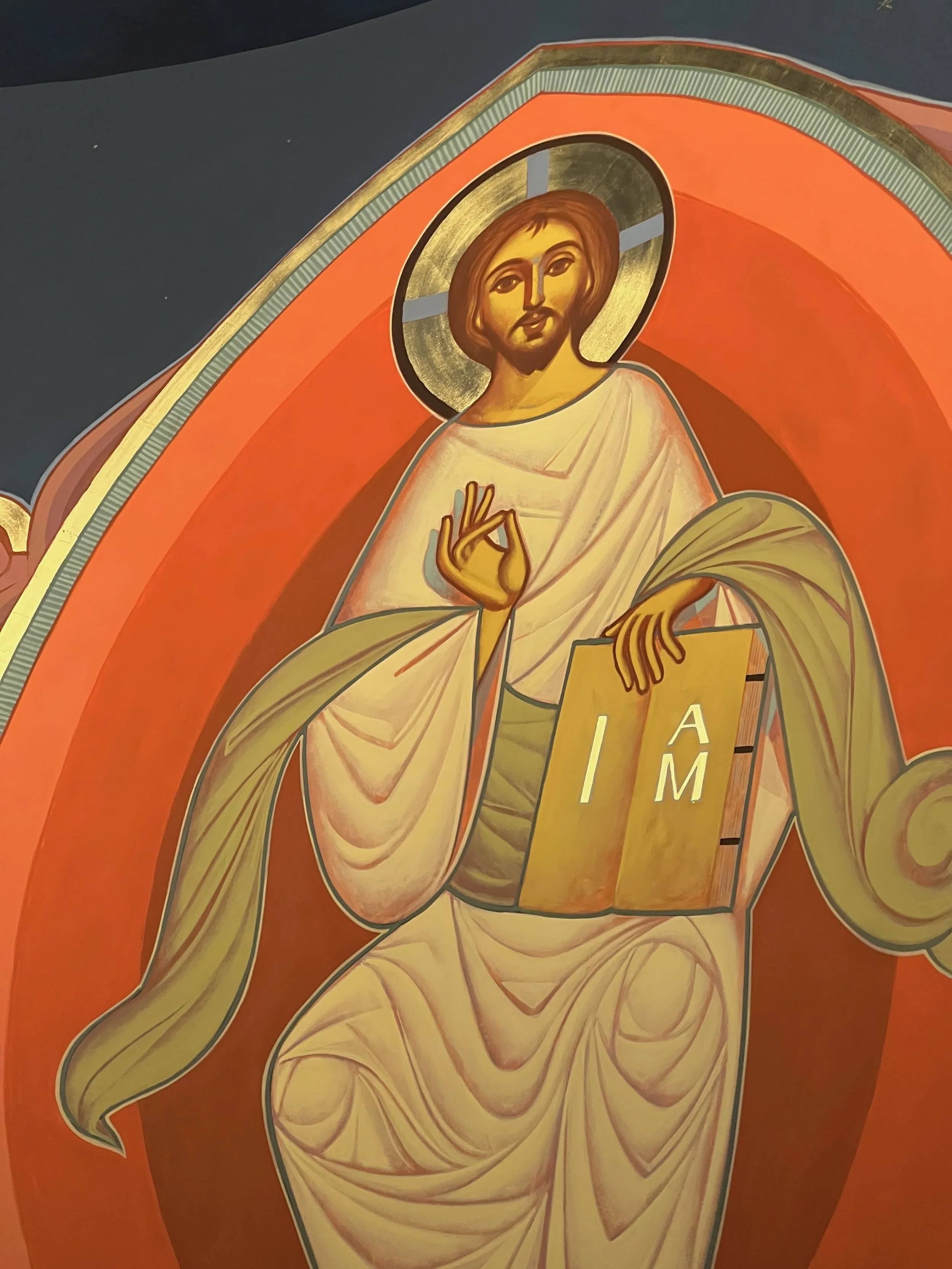
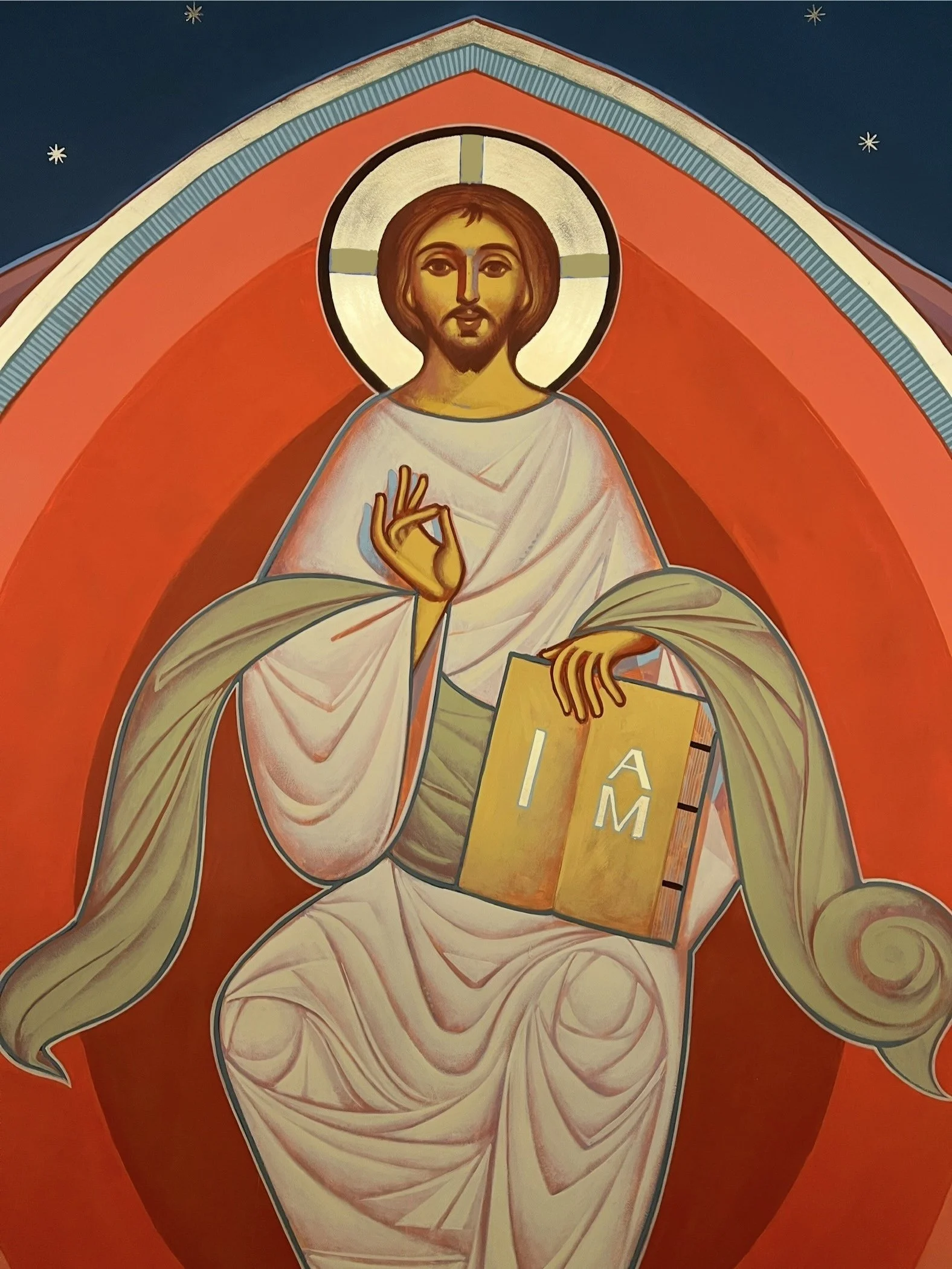
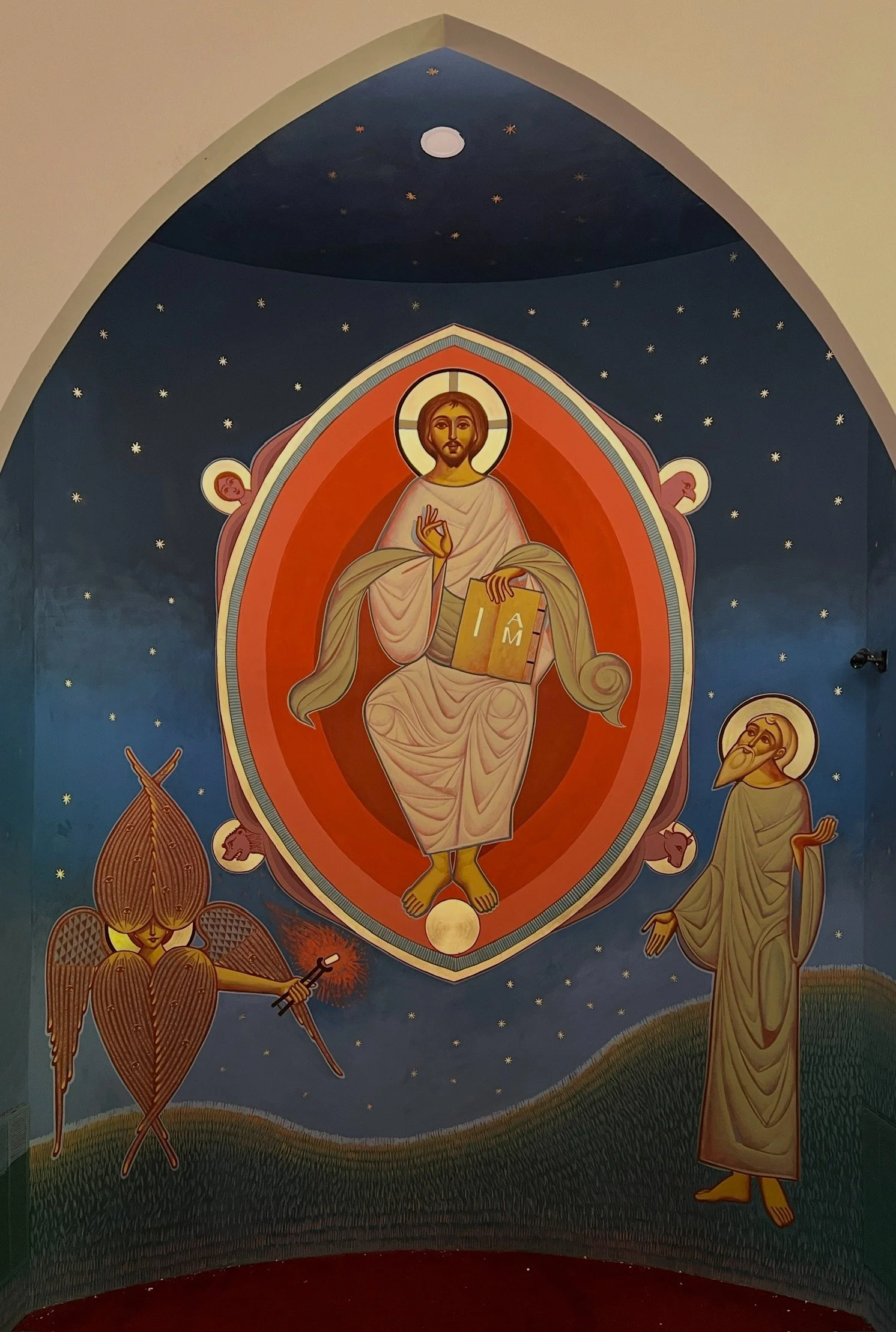
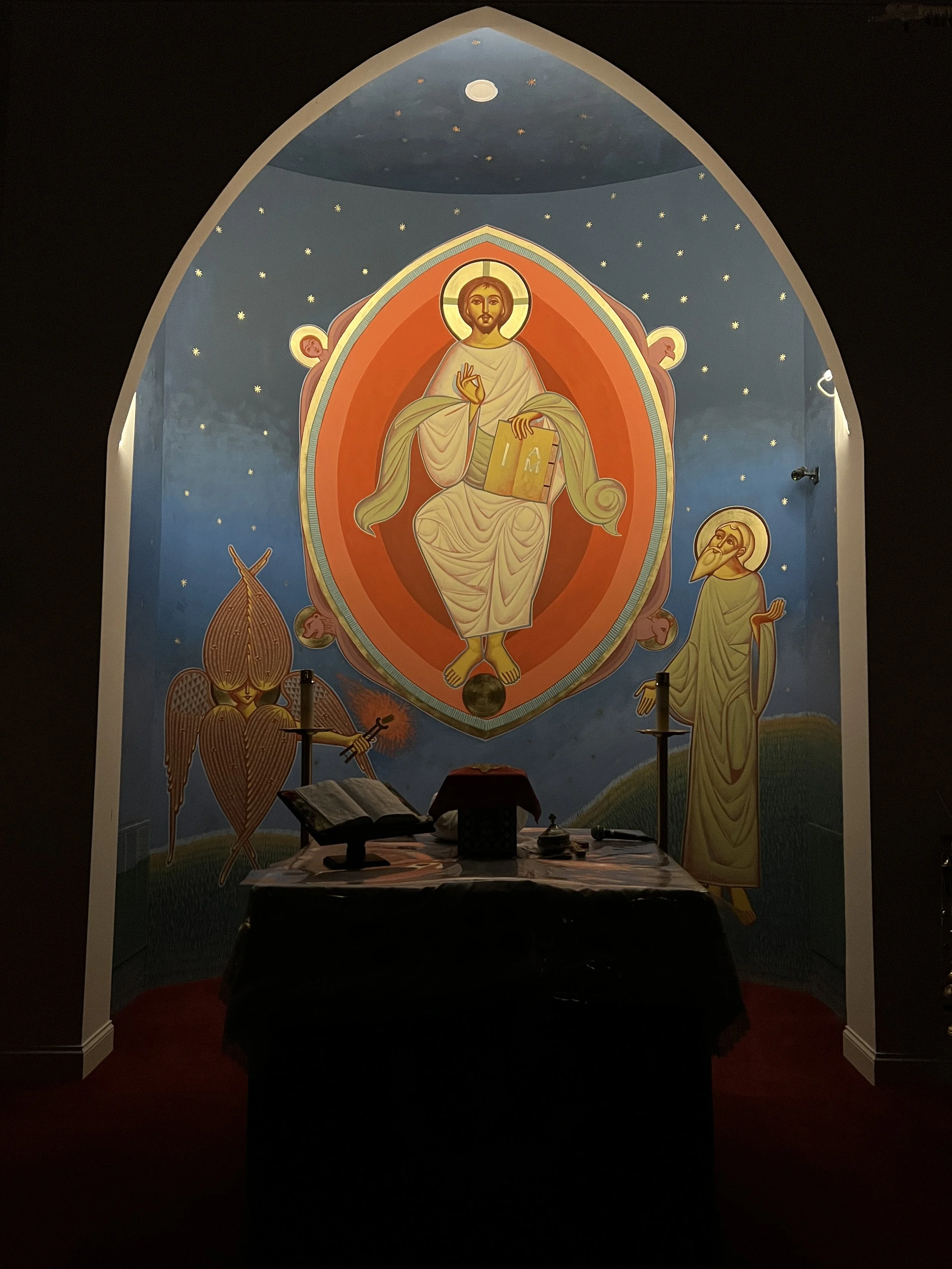
This project entailed the creation of a series of iconostasis icons, east wall murals, and an apse. The apse depicts the vision of the prophet Isaiah (Is 6), where he sees God enthroned in glory, in what is called a mandorla (Latin for almond), a visual device used to express glory, light, and the mystical. Its shape is the centre of two intersecting circles, a unity of two things in one, with Christ—the Orchestrator of harmony and unity—at its centre.
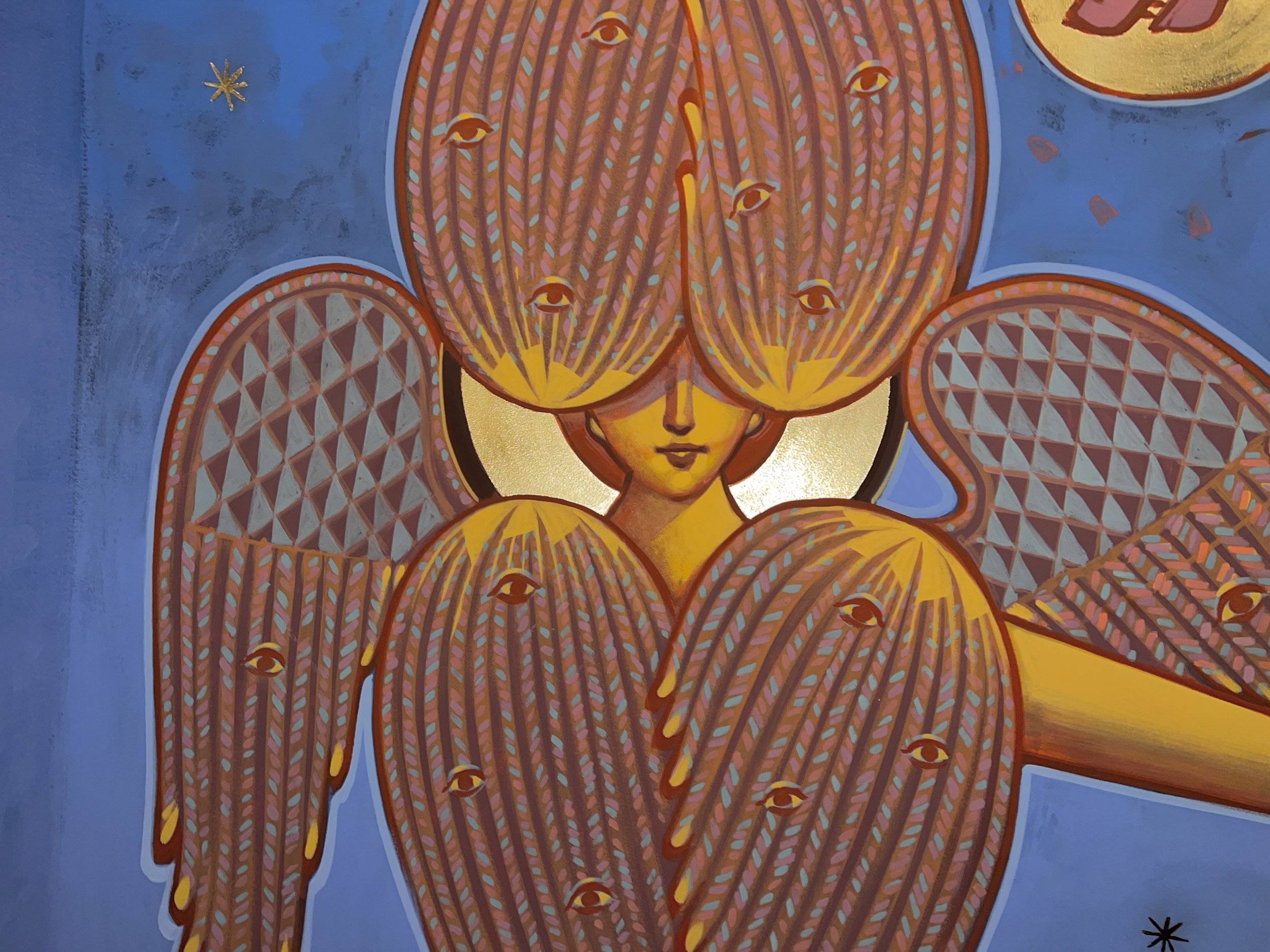
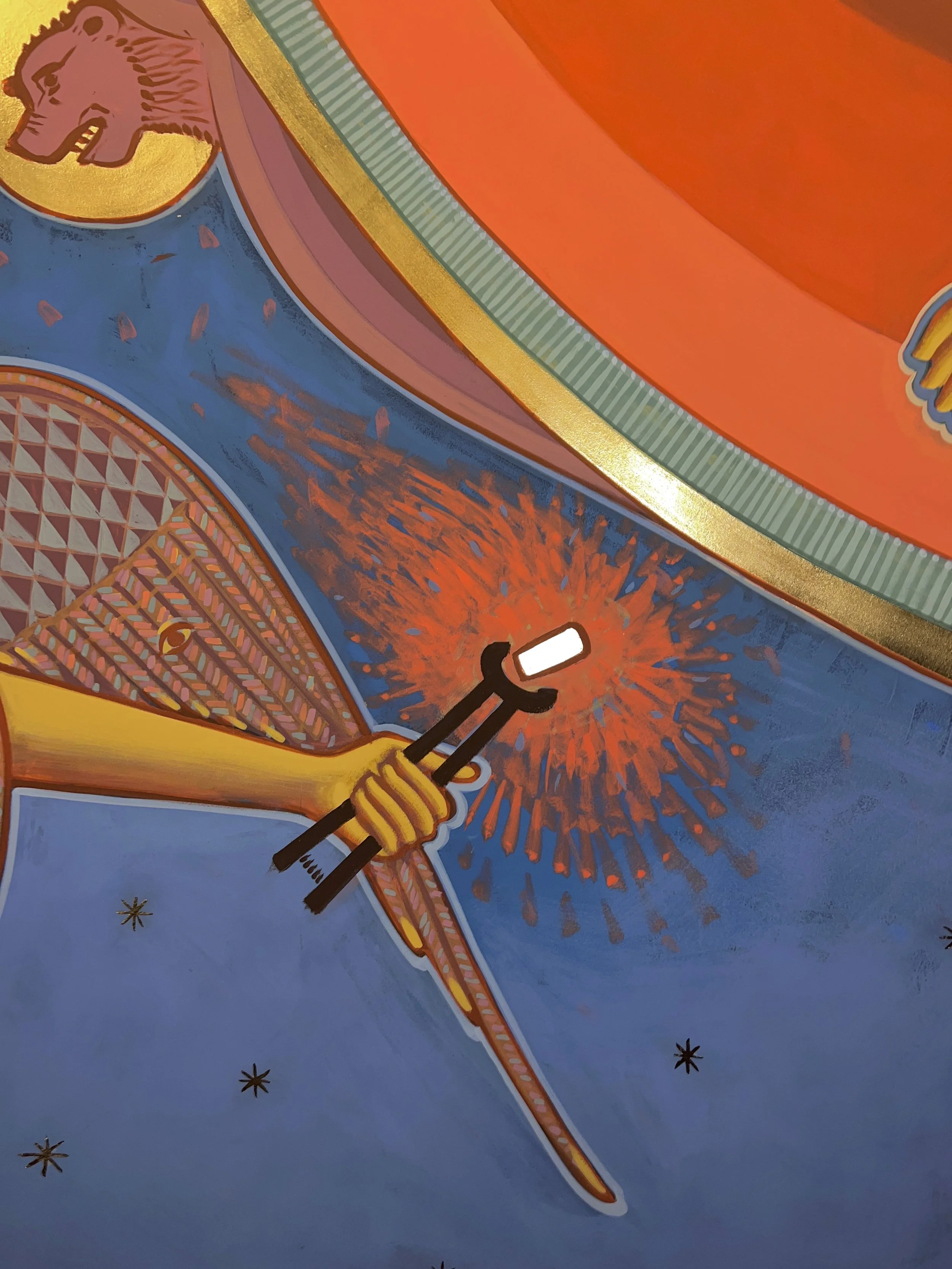
A Seraph flies forward to touch Isaiah’s lips with a blazing coal. The early Church saw this narrative as an image of the Eucharist, in which Christ, the fiery coal, is fed to us for purification and life, setting us “ablaze.” You’ll notice that both Christ’s mandorla and the flame of the fiery coal are the same colour- Christ is the fiery coal that is fed to us. The image is made to reflect the reality of what is occurring in this space and liturgy. It is an image of God revealing Himself to man and entering into his midst, a preface to Isaiah’s prophecy that “the virgin shall conceive and bear a Son, and shall call His name Immanuel (‘God is with us’)” (Is 7:14).
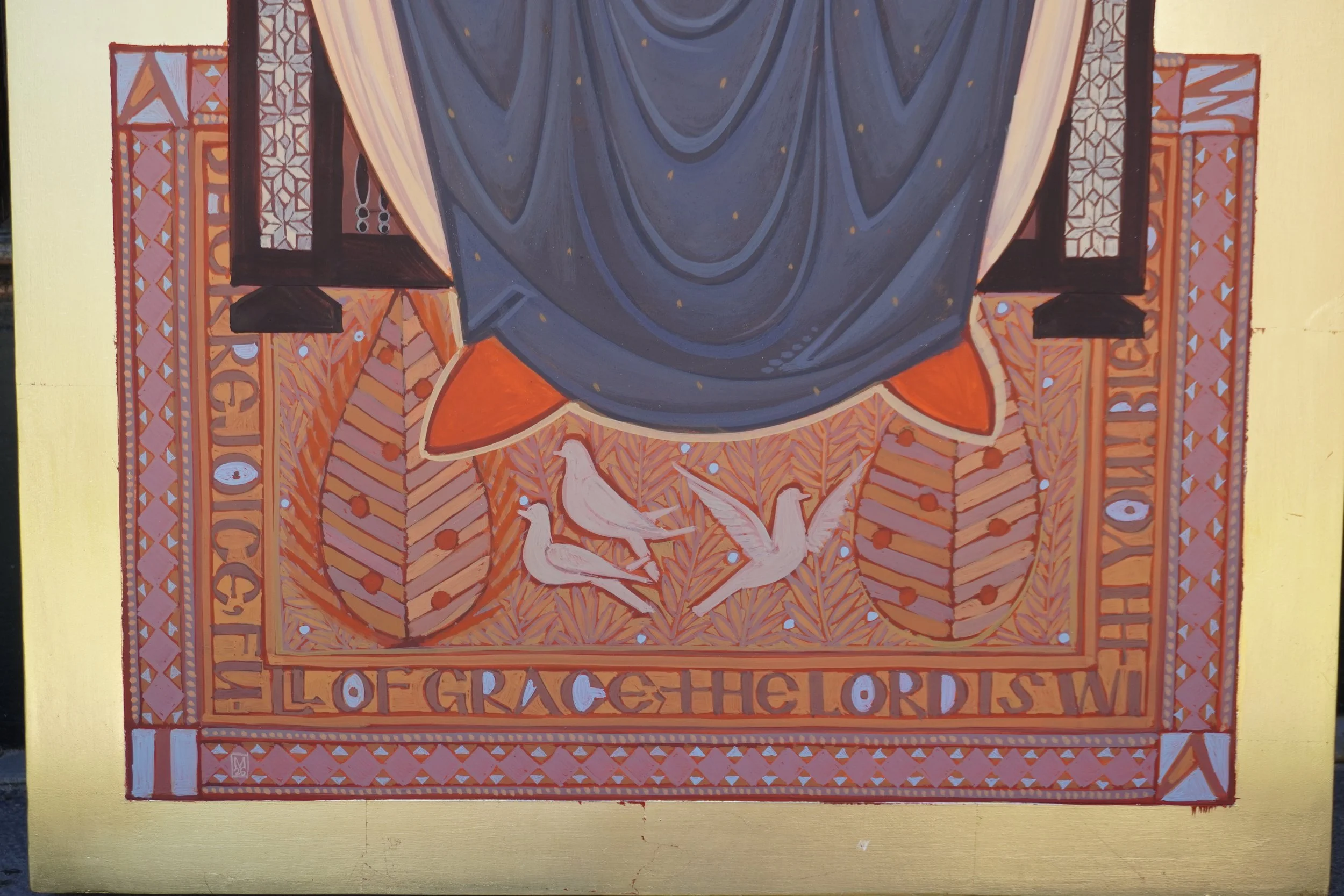
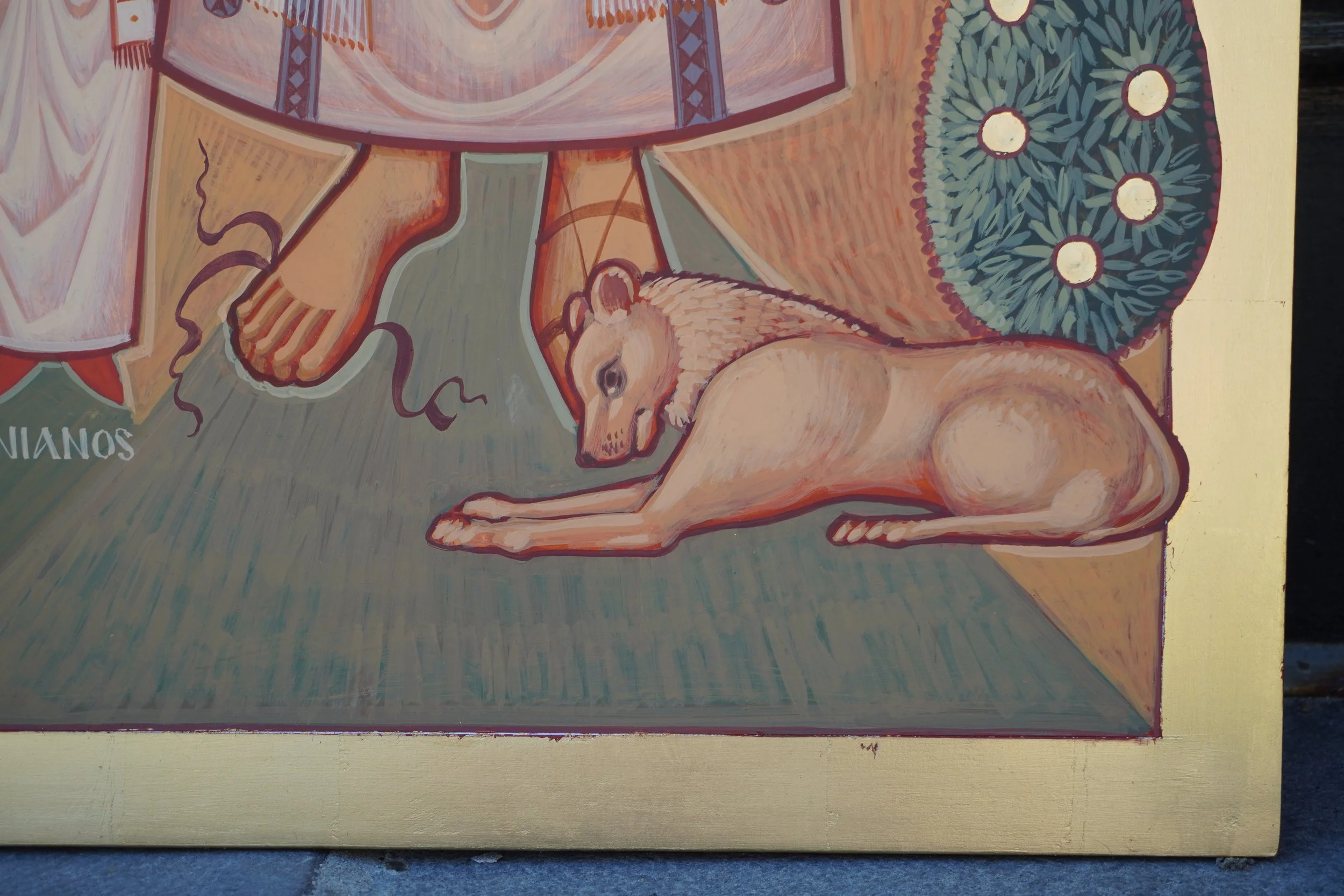
There is no altar painted in the icon, as the icon points us to the physical altar itself. The scene takes place in a Paradisiacal garden, and the viewer is called into this New Eden in which we “have become worthy to eat of the tree of Life.”
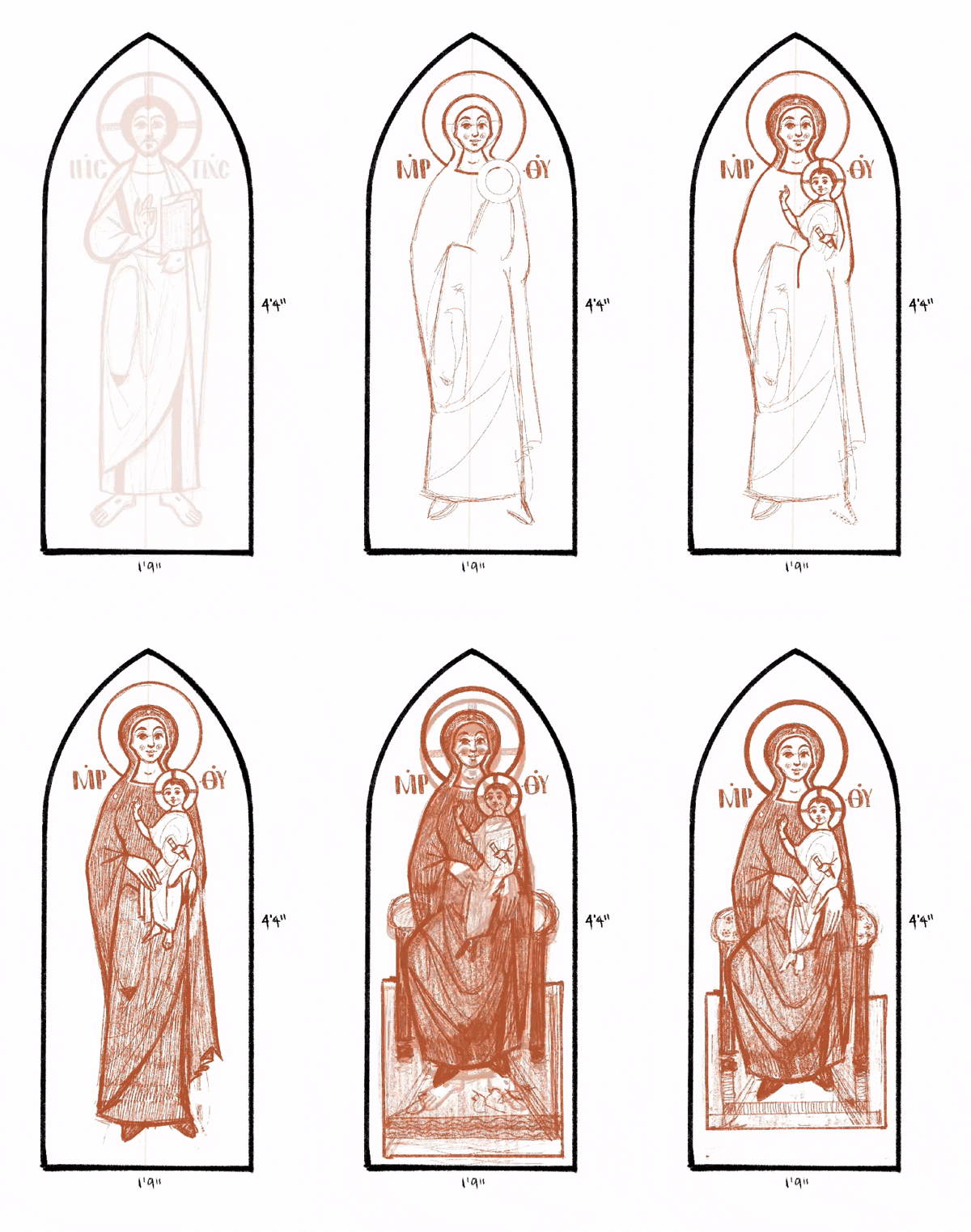
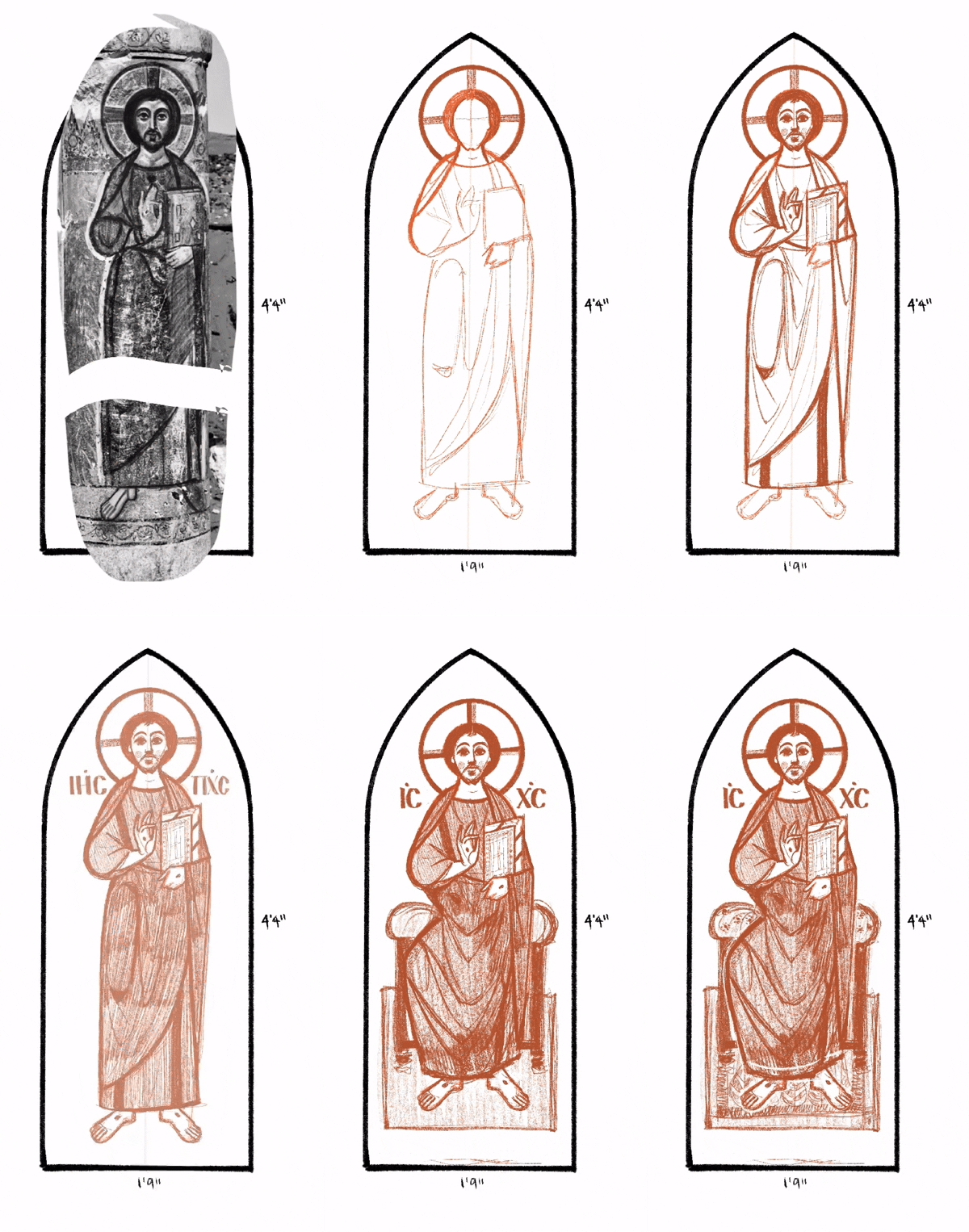
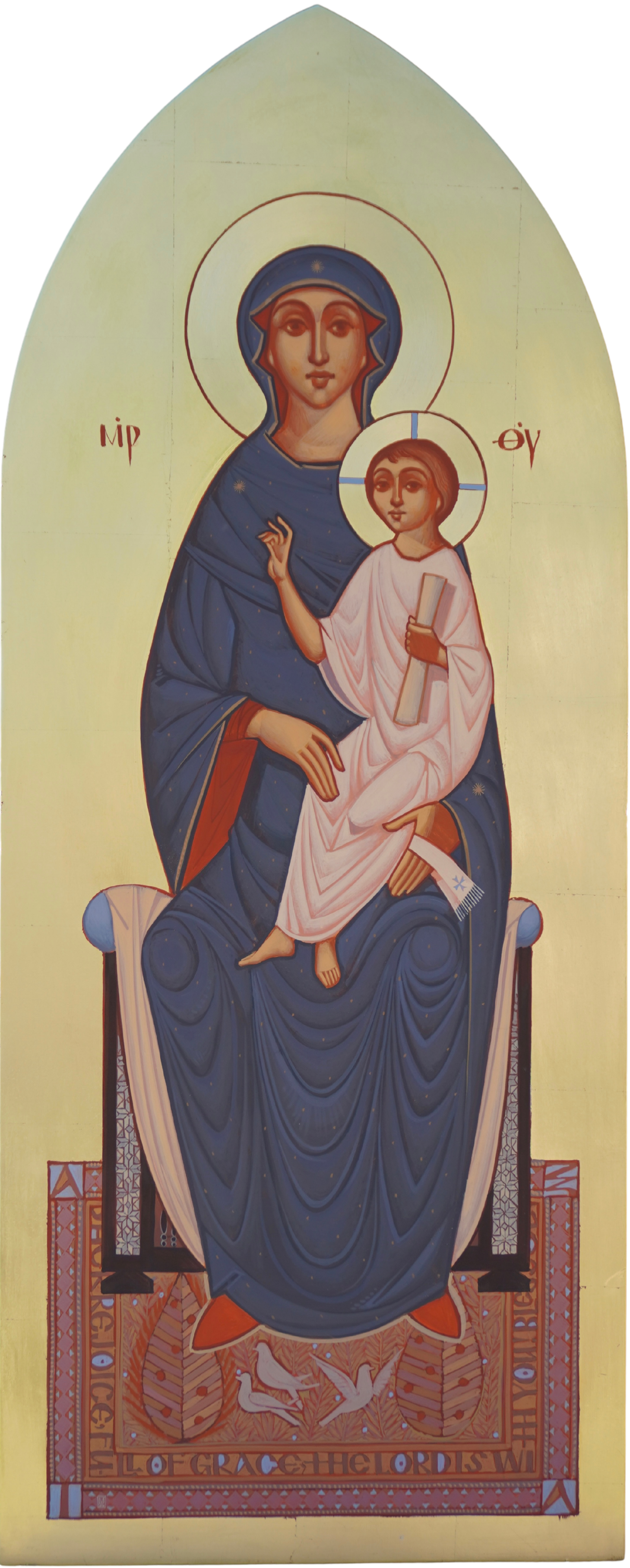
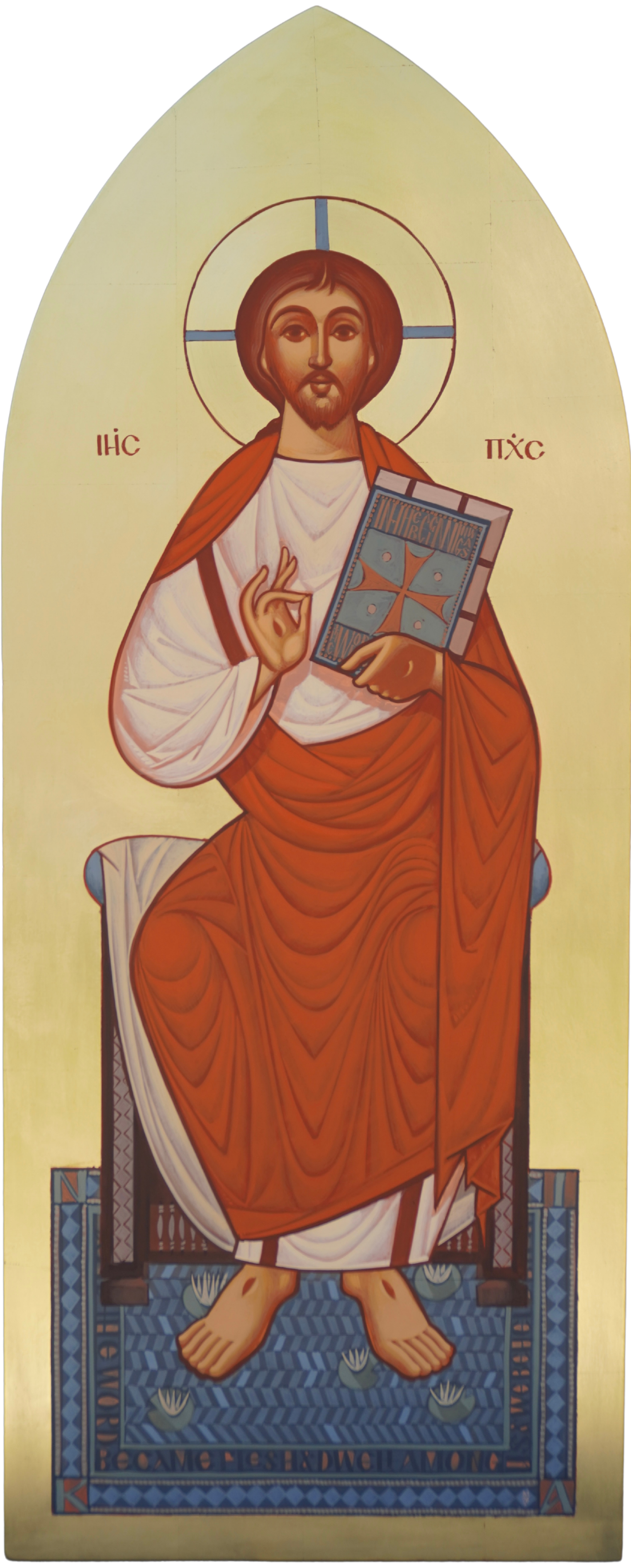
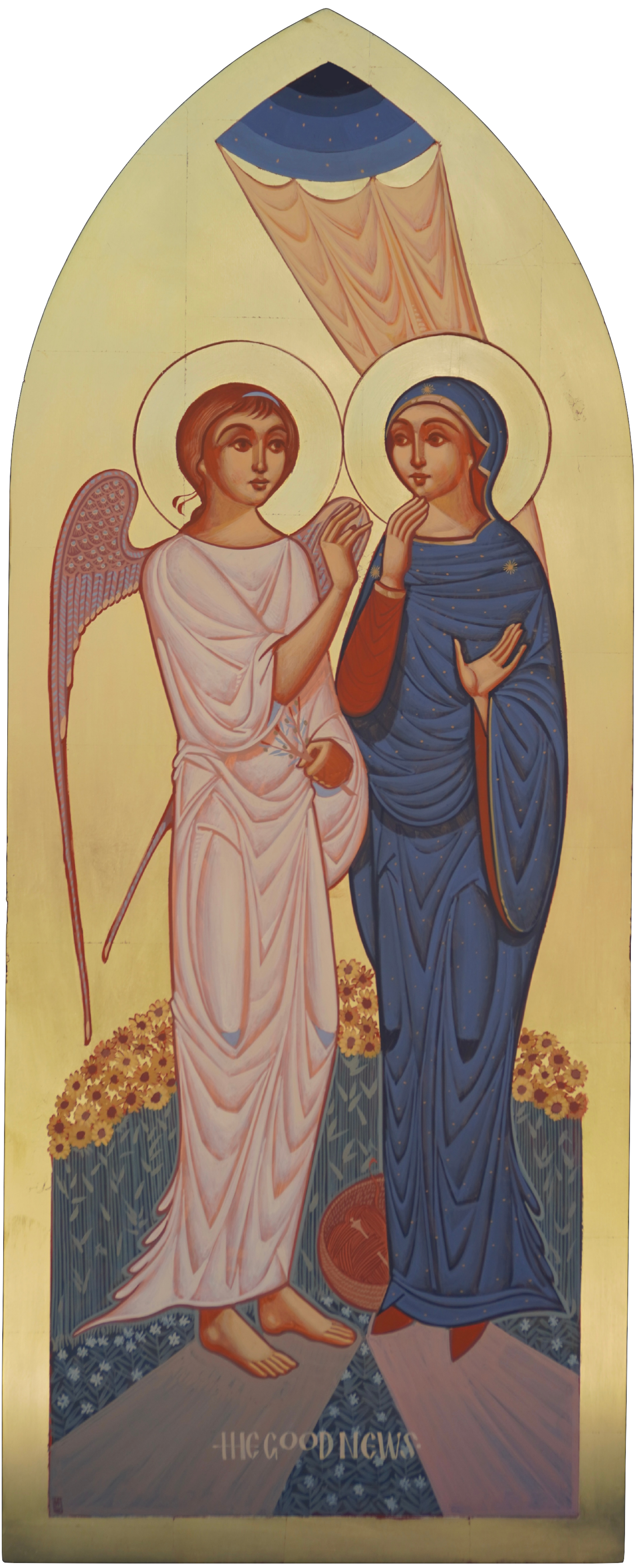
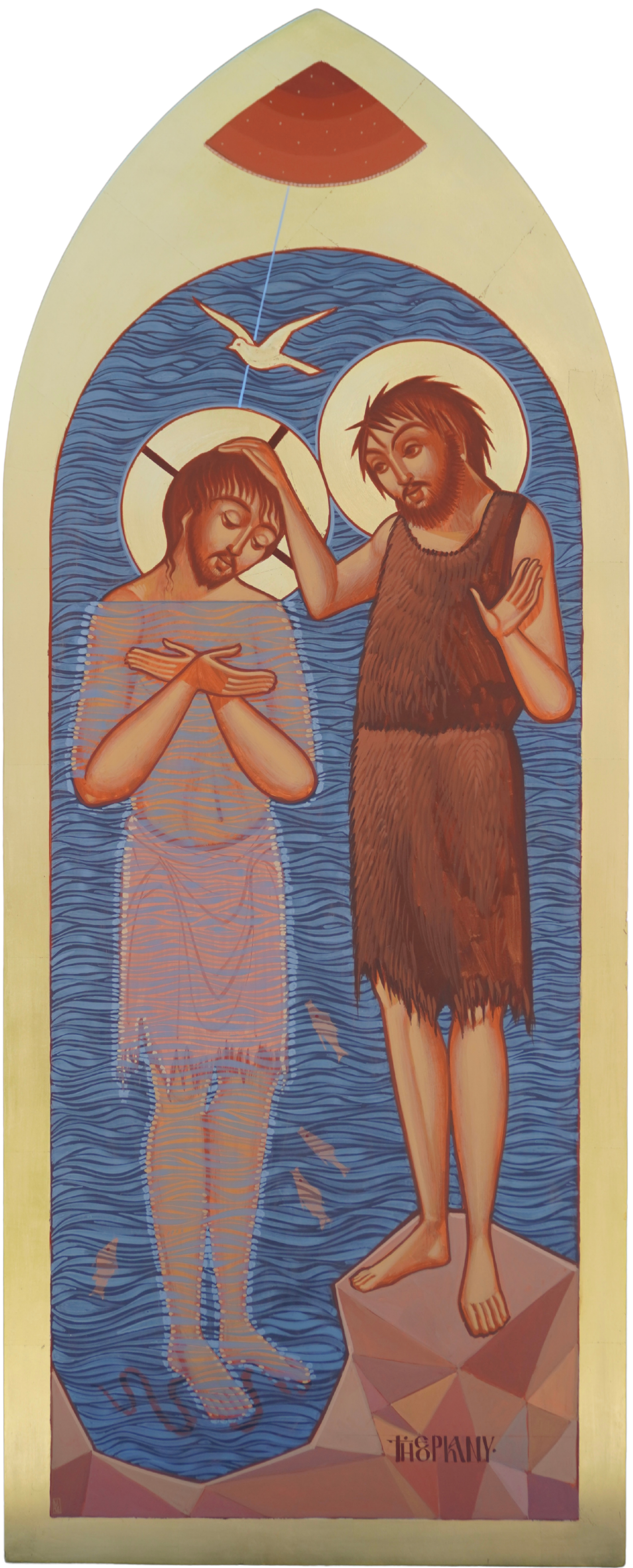
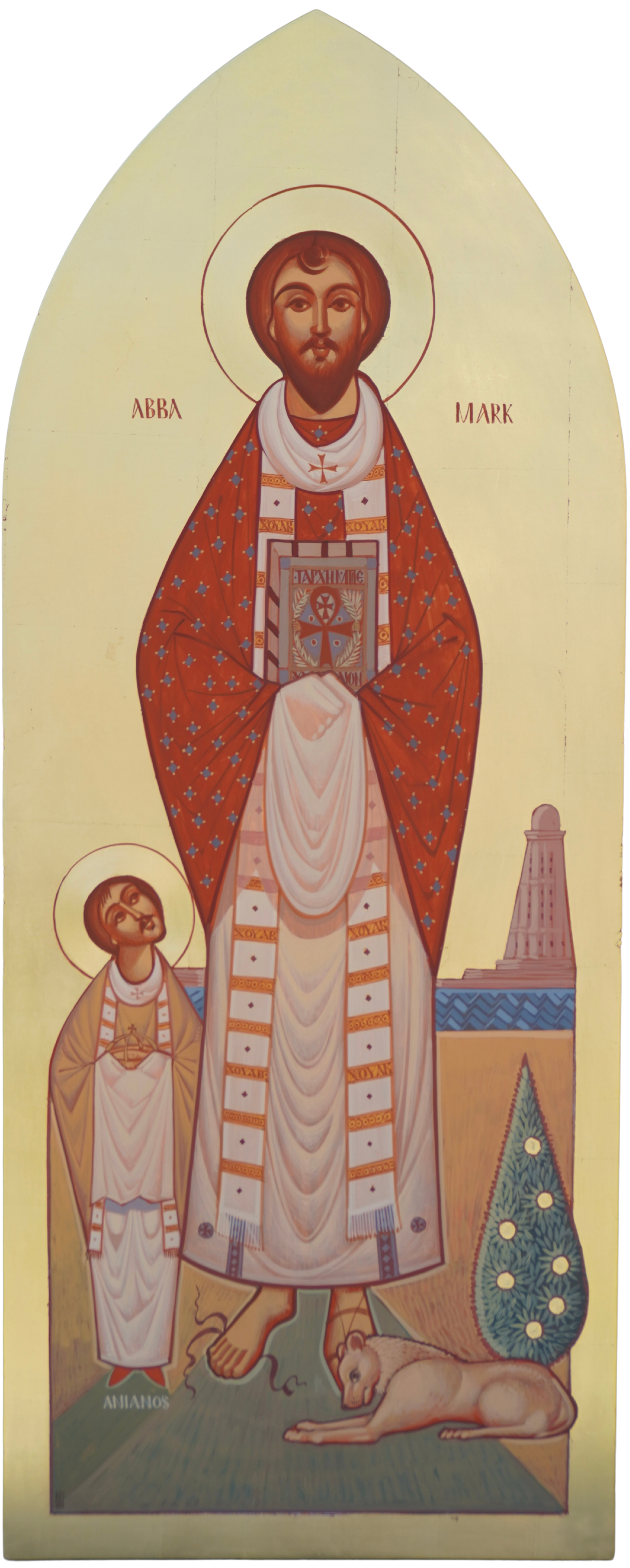
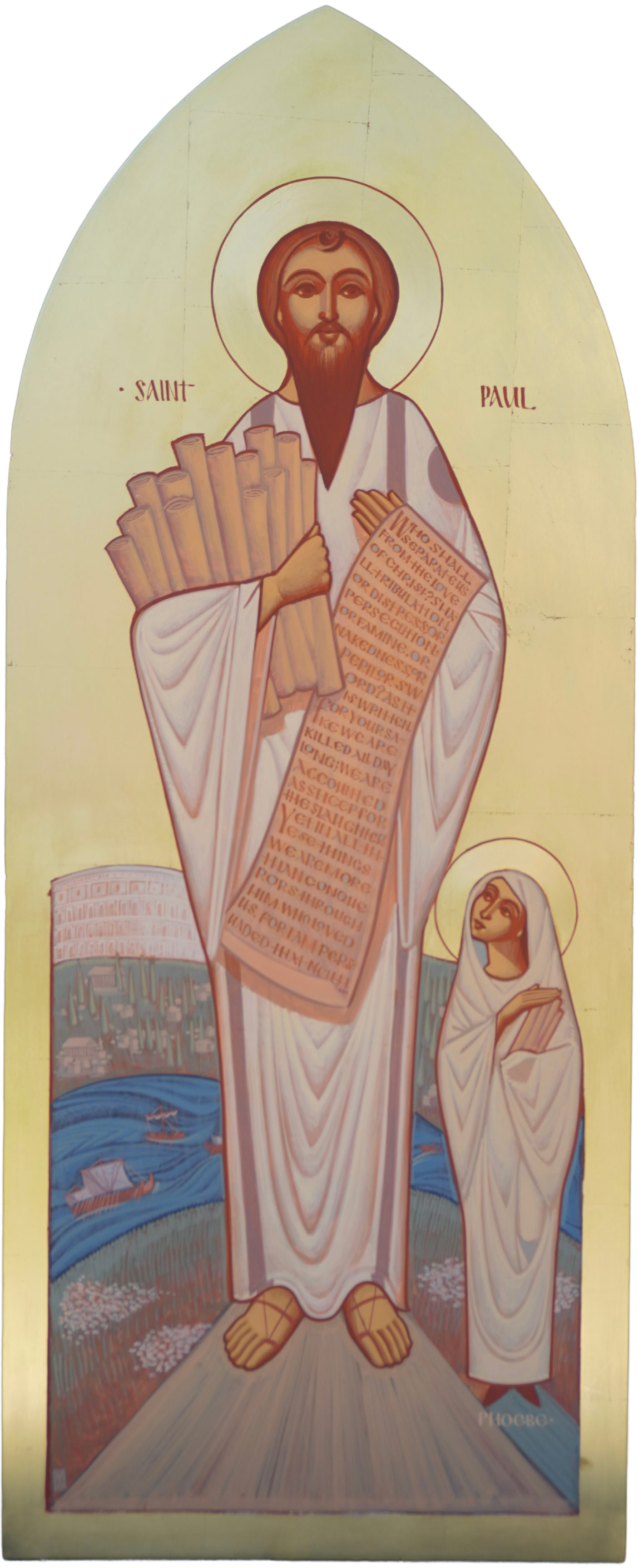
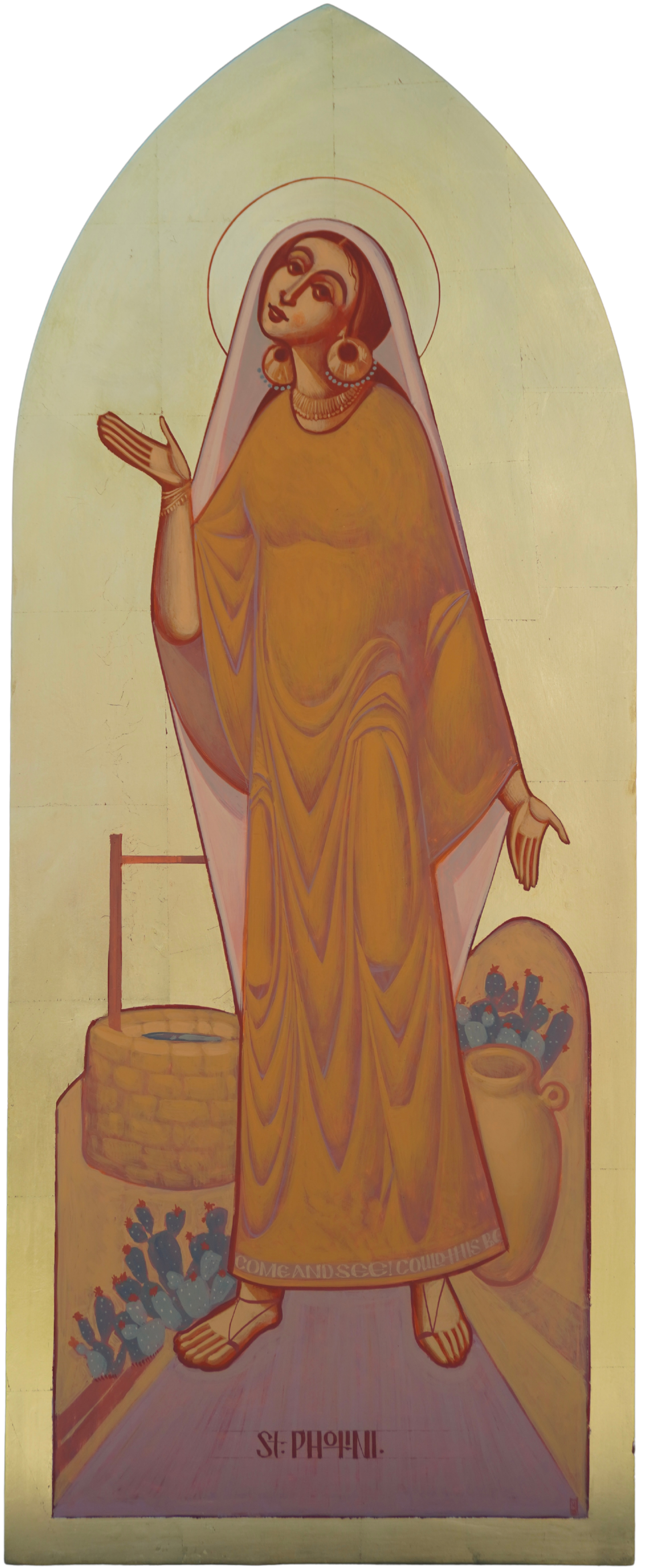
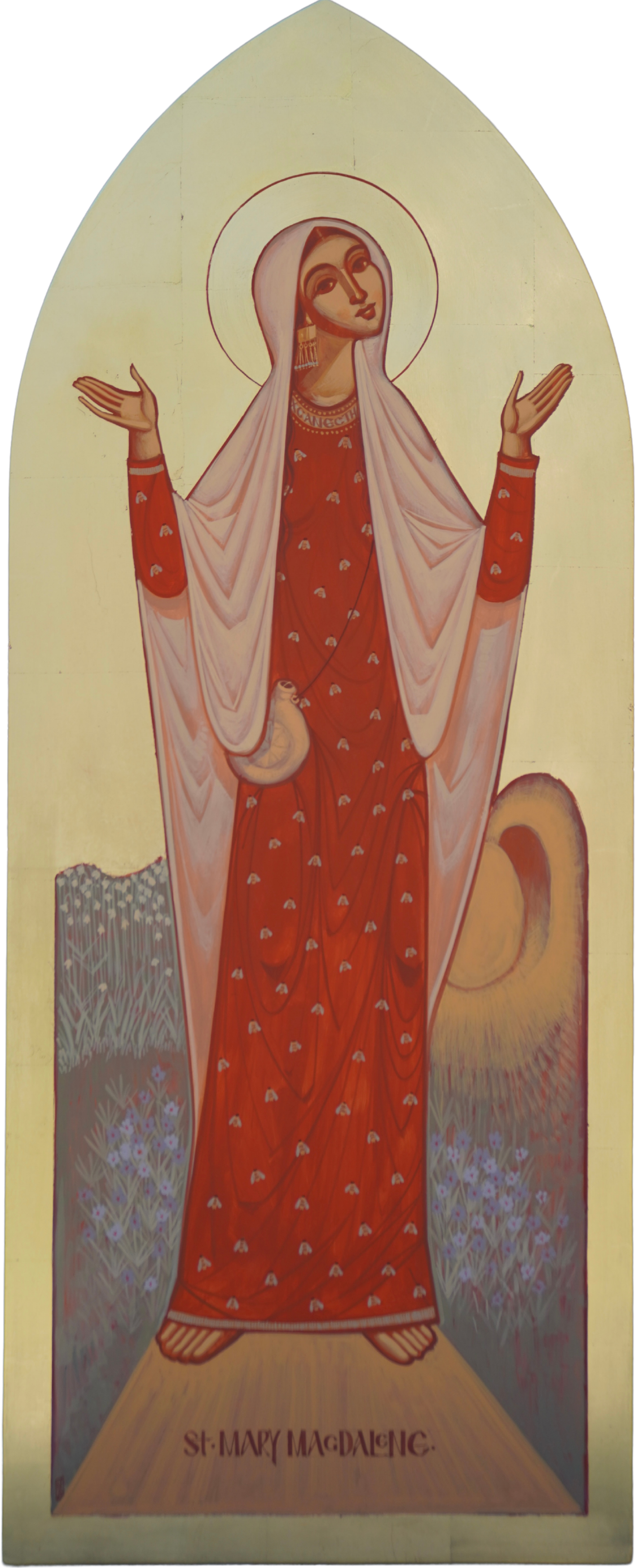
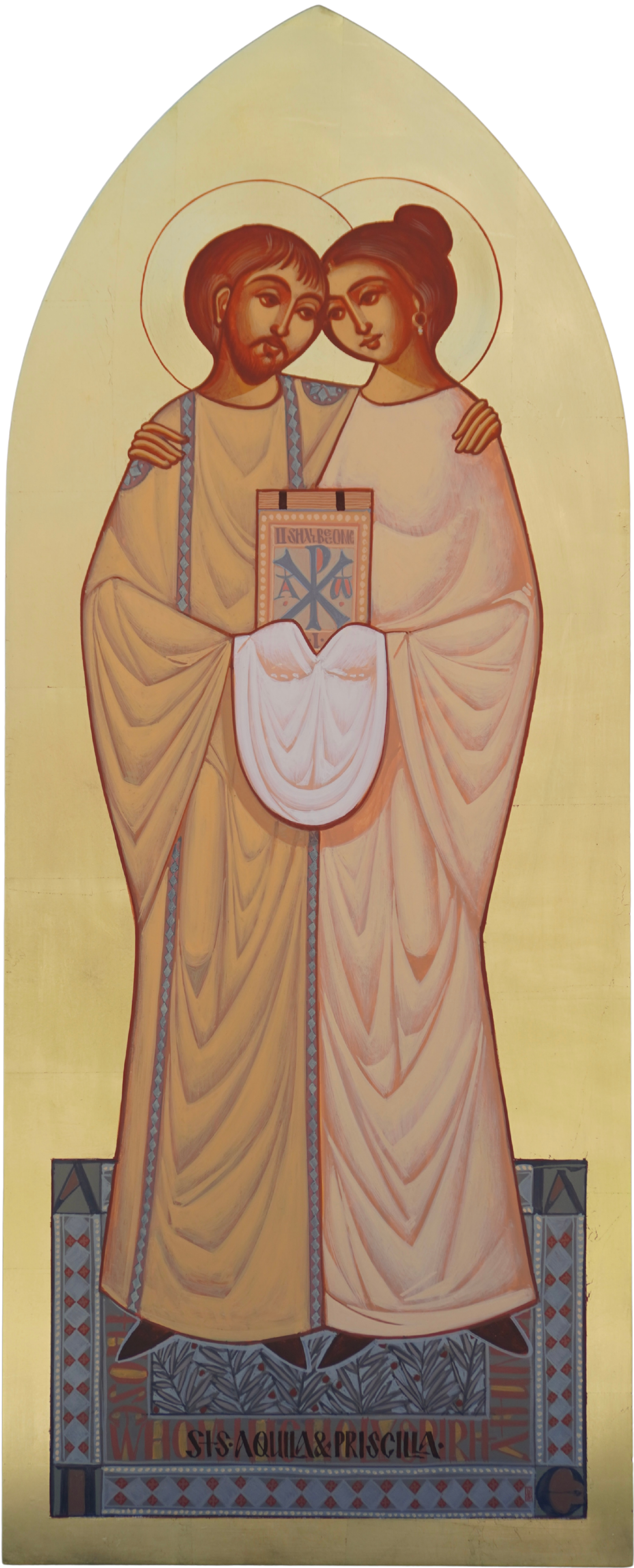
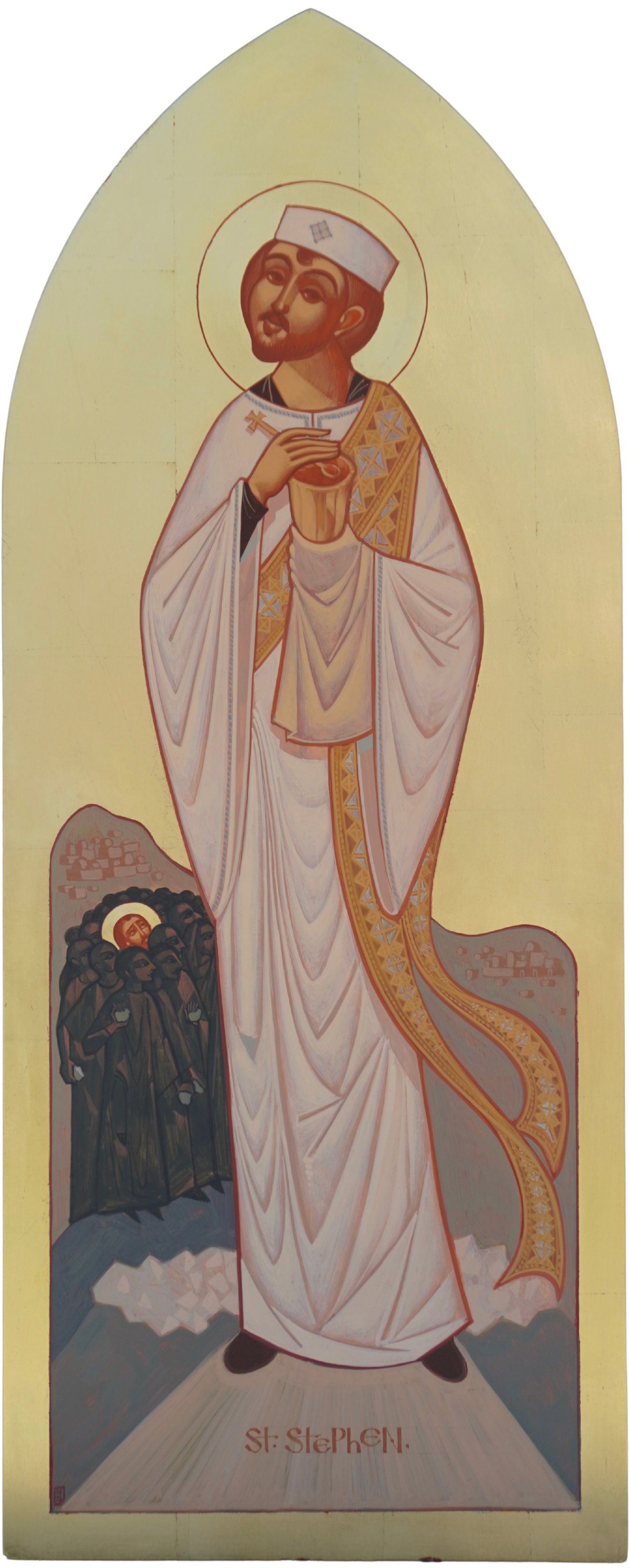
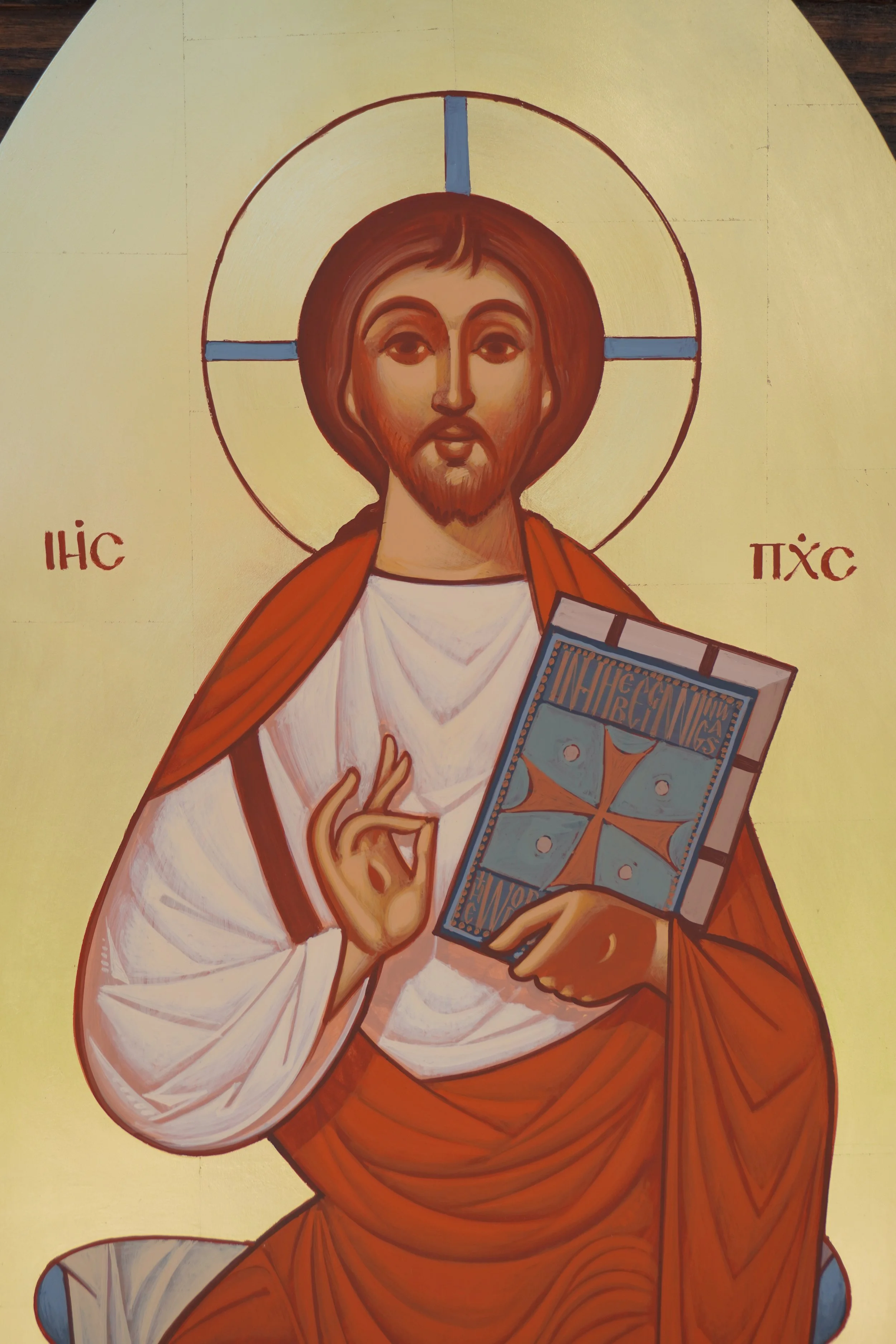
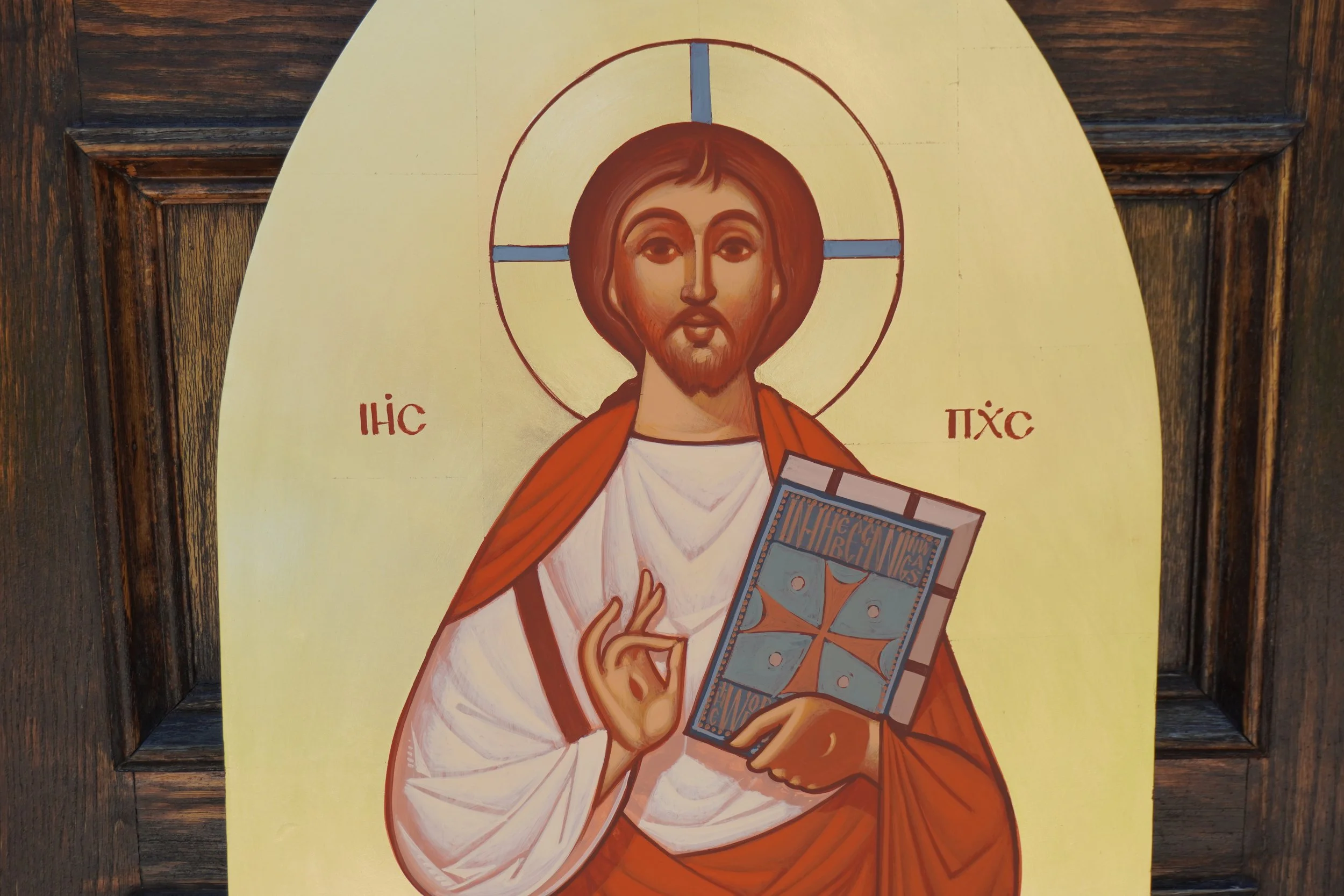
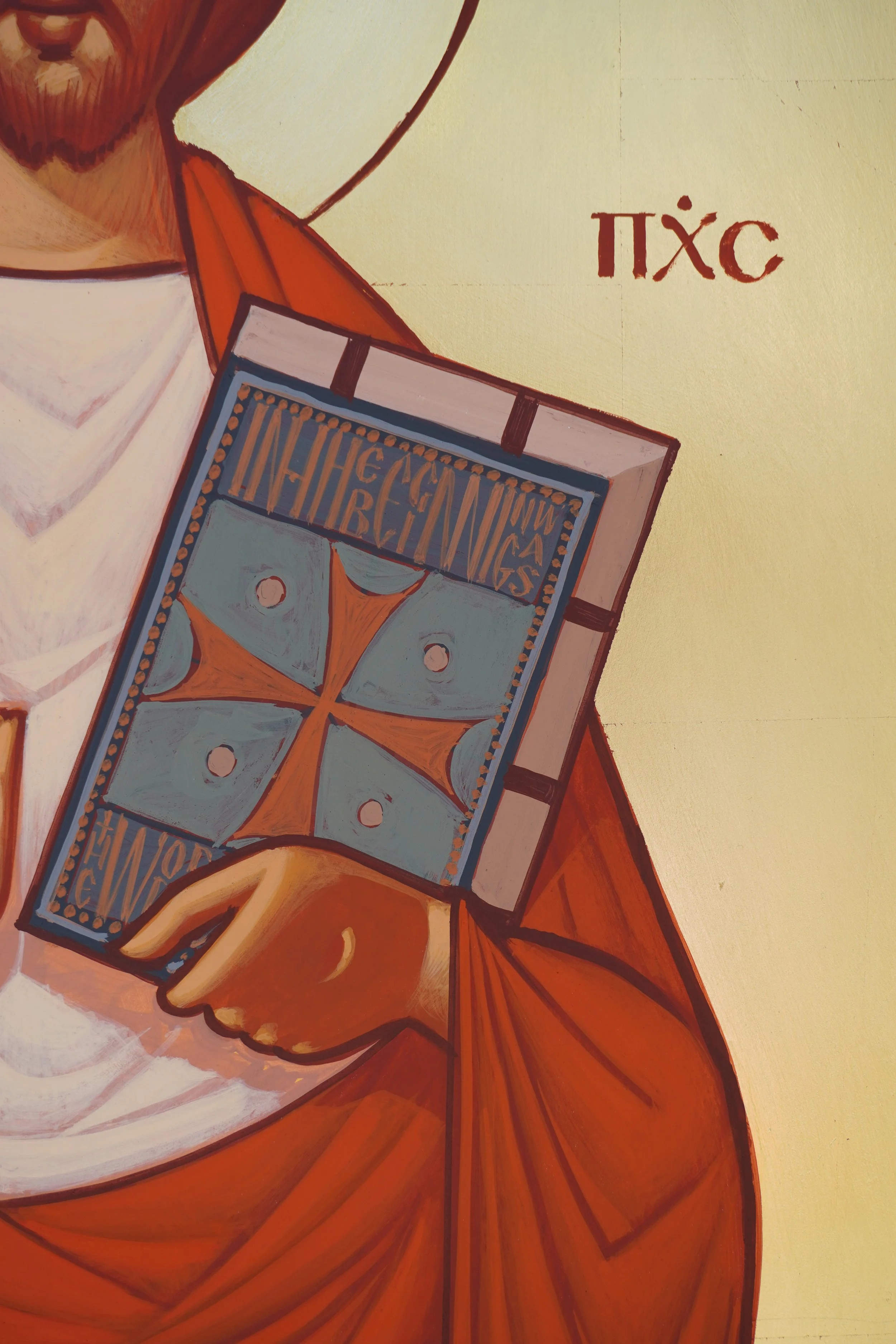
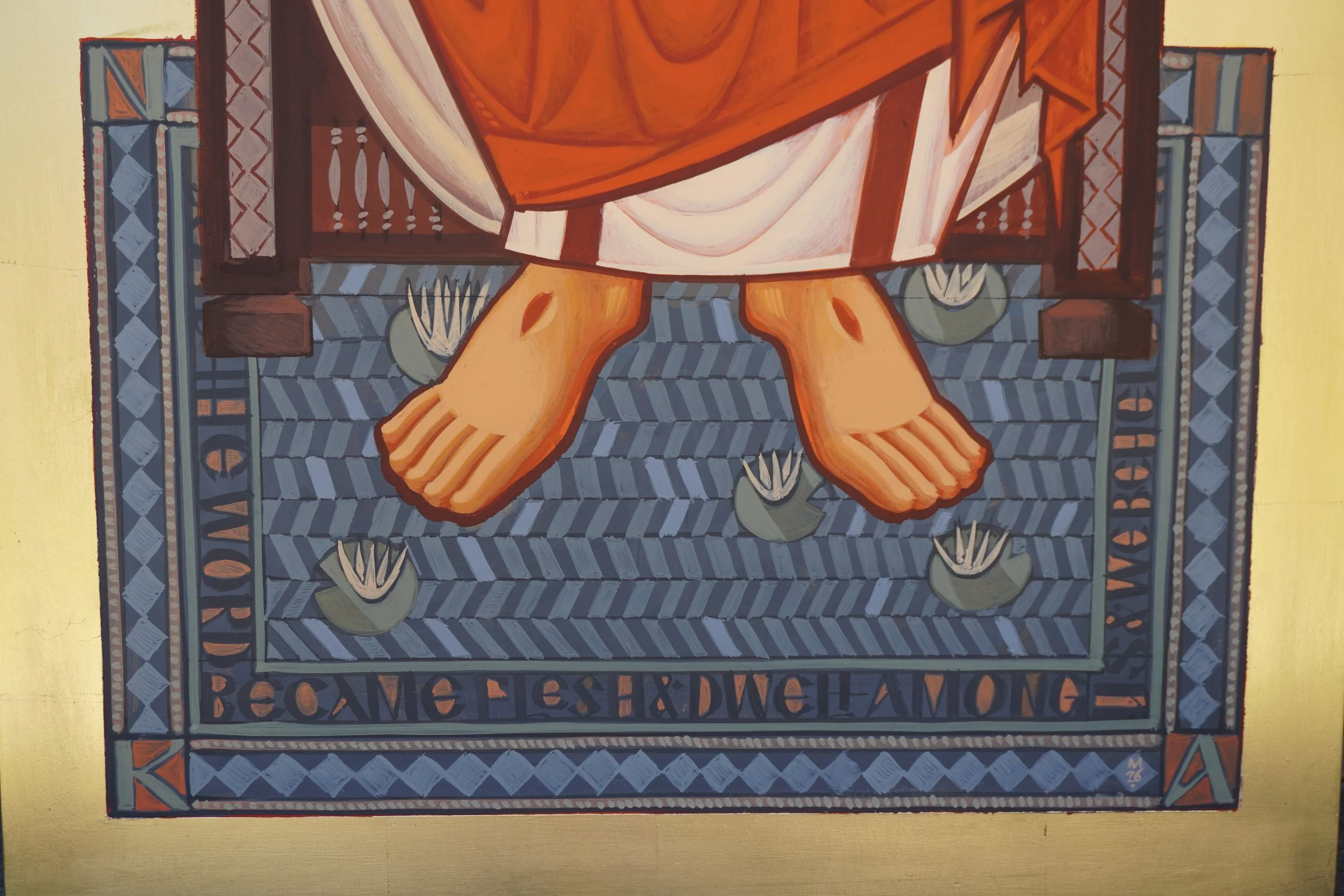
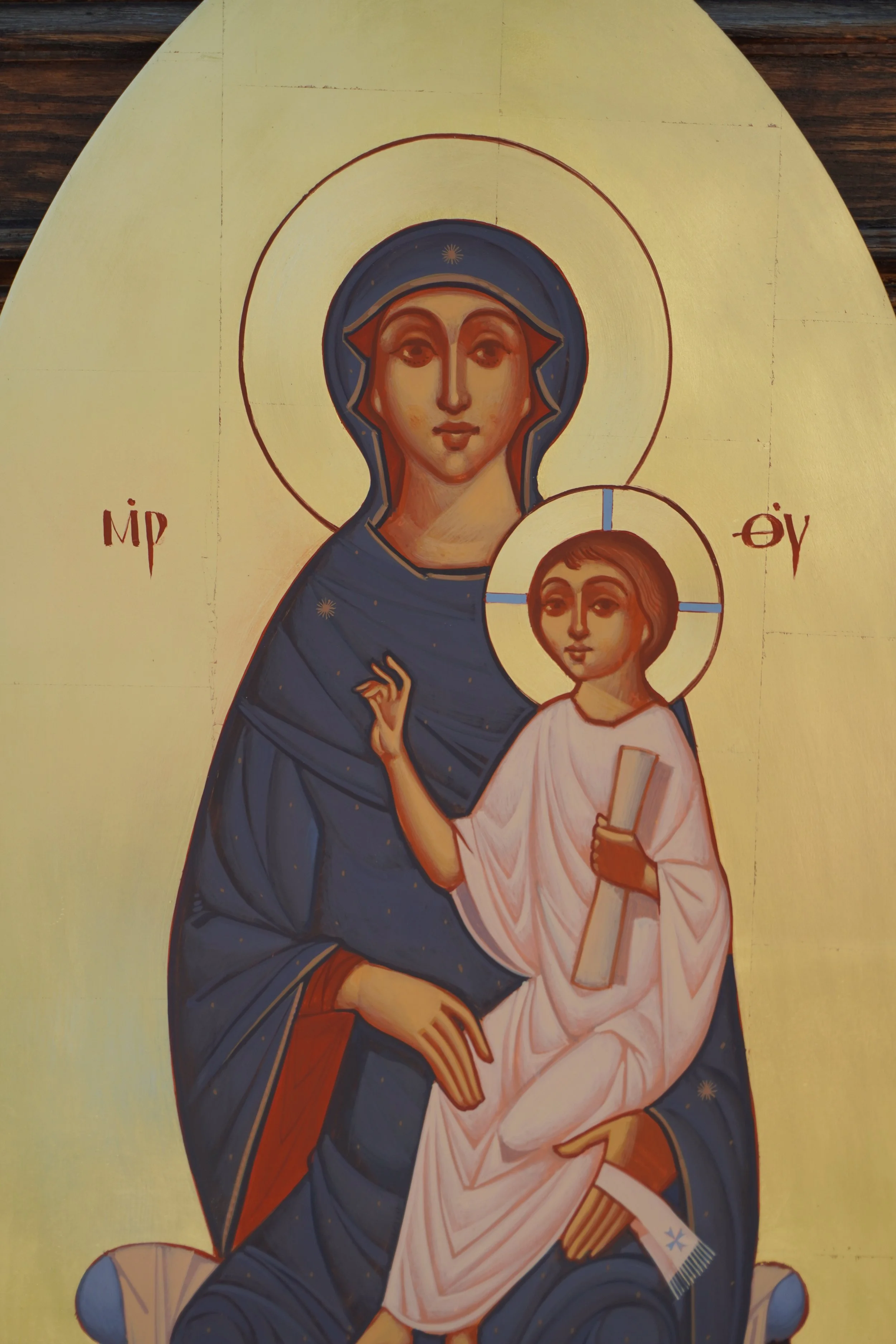
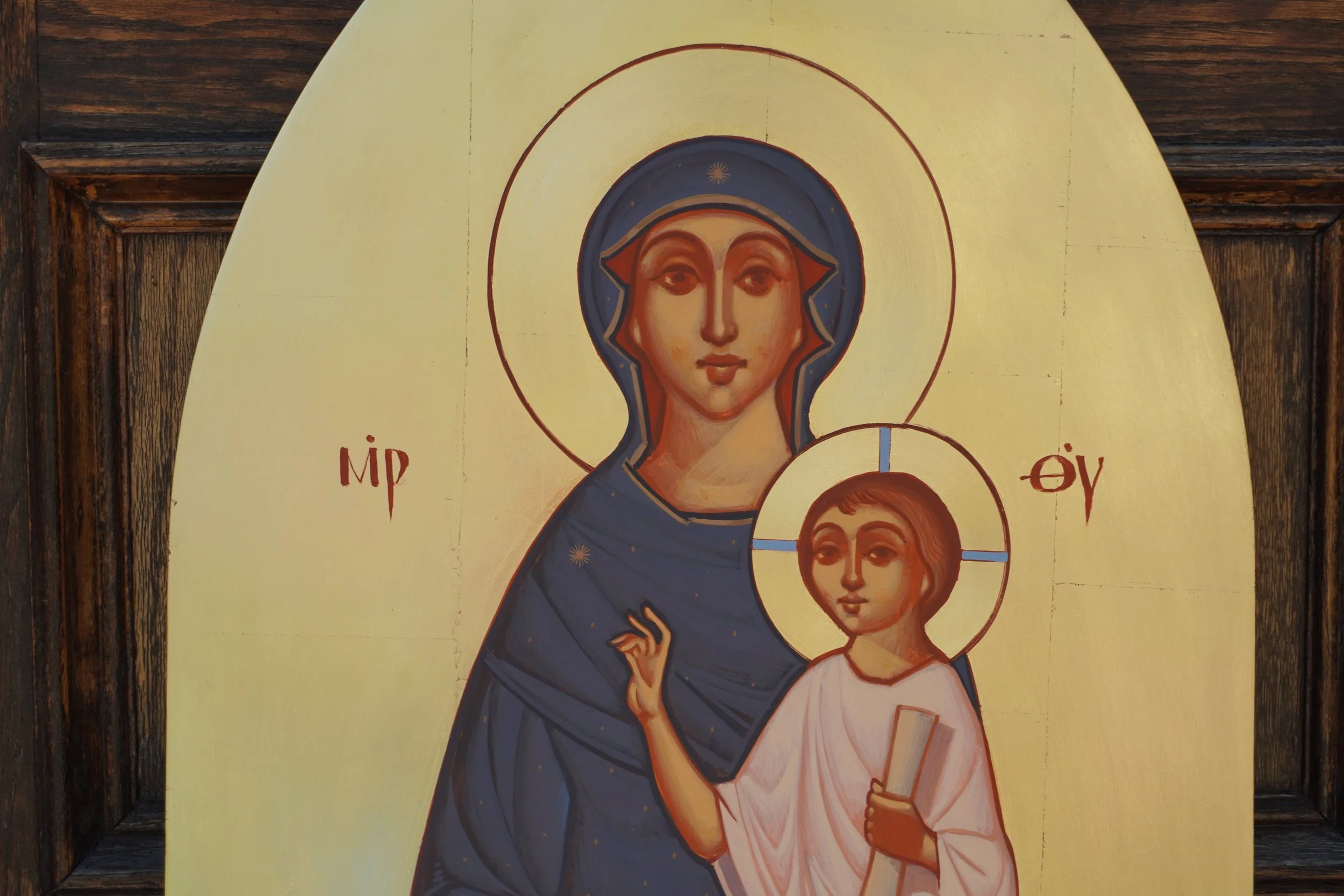
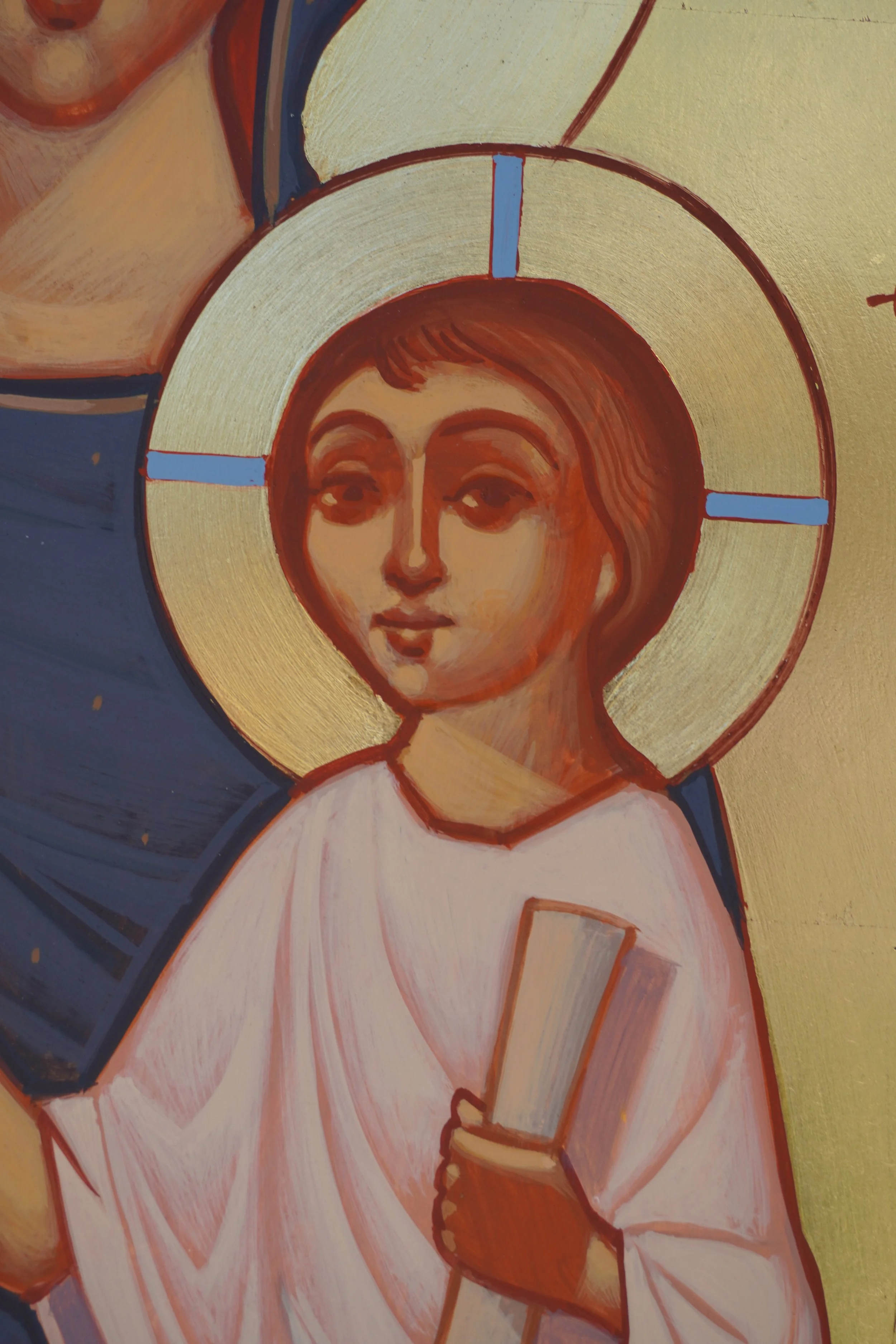
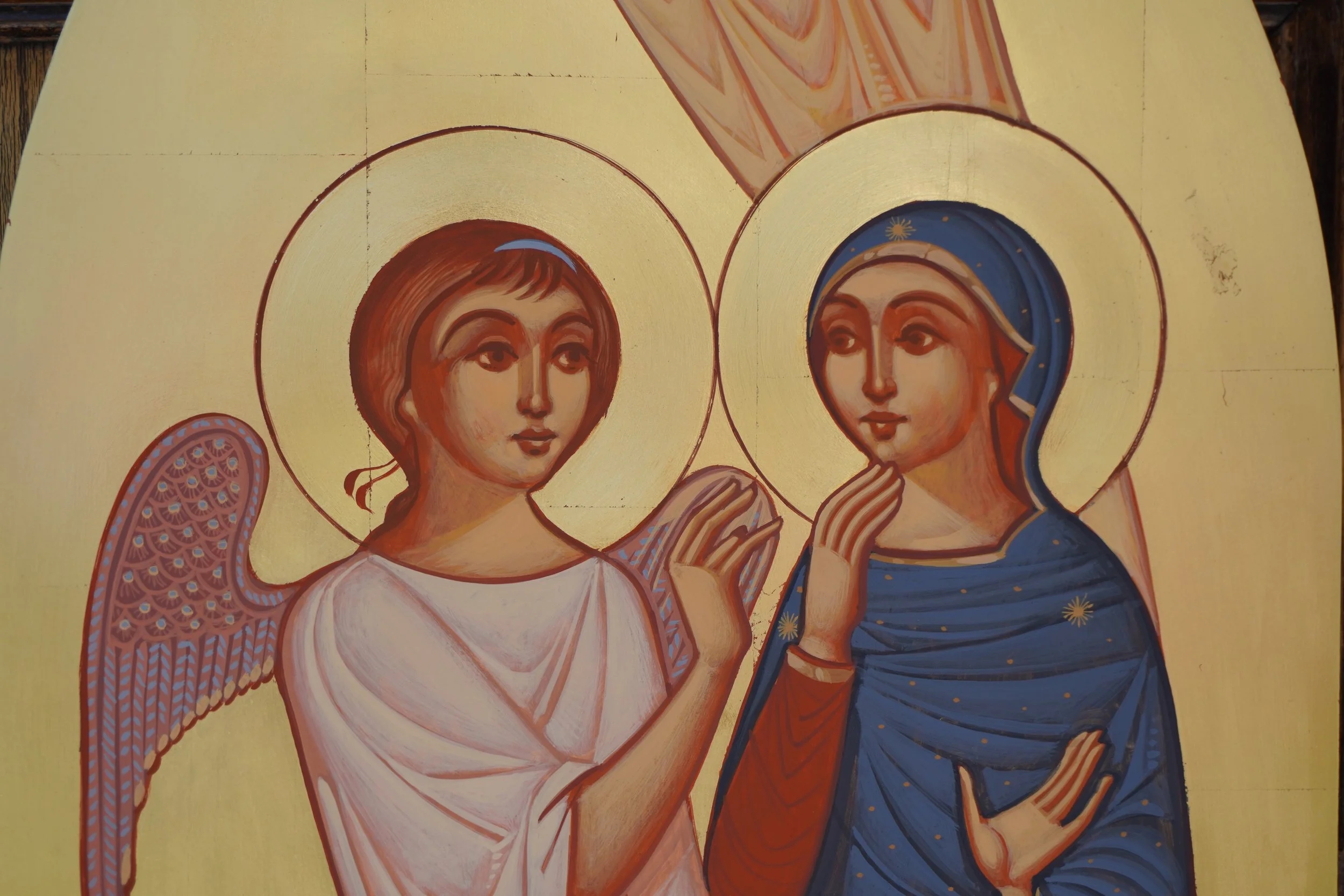
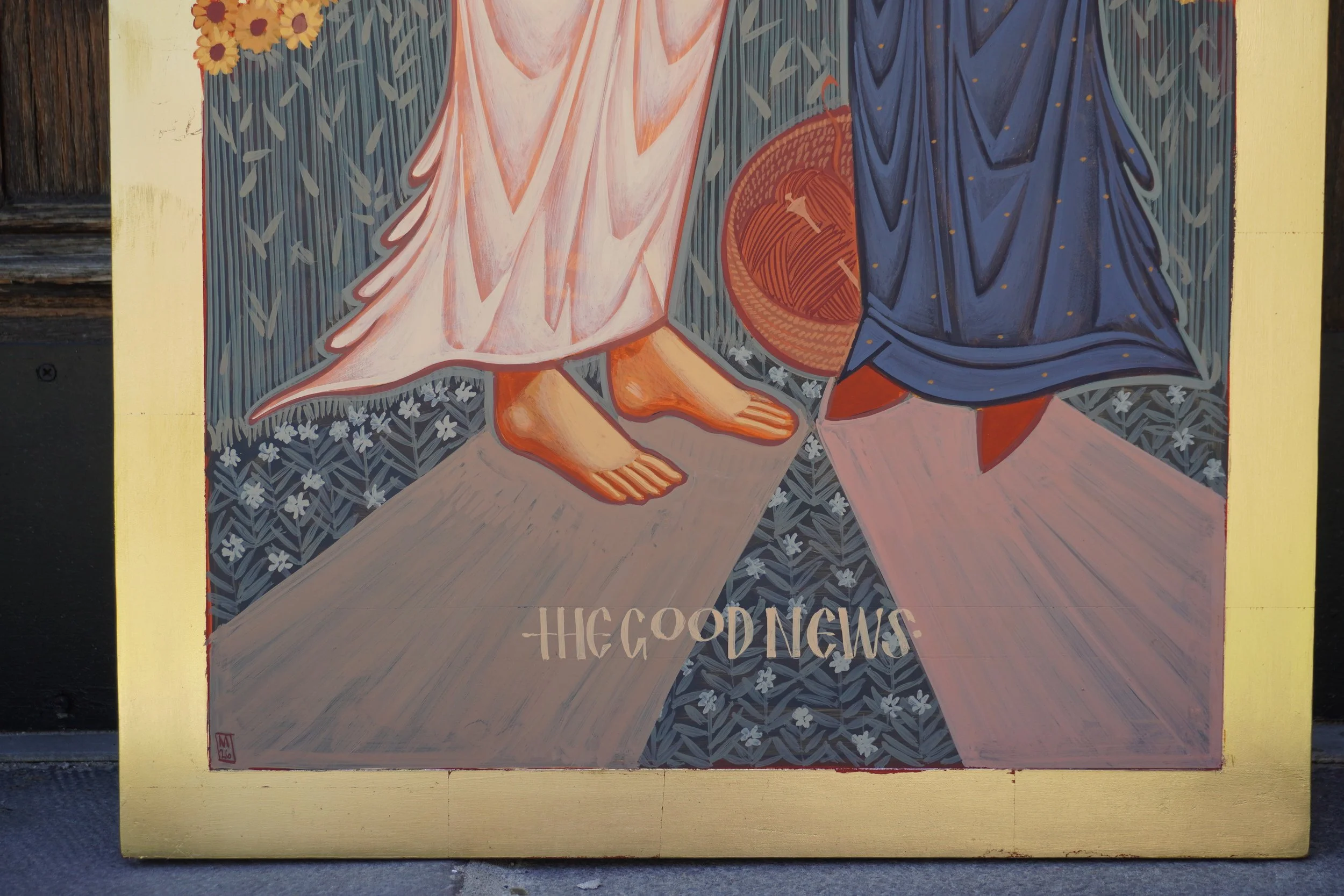
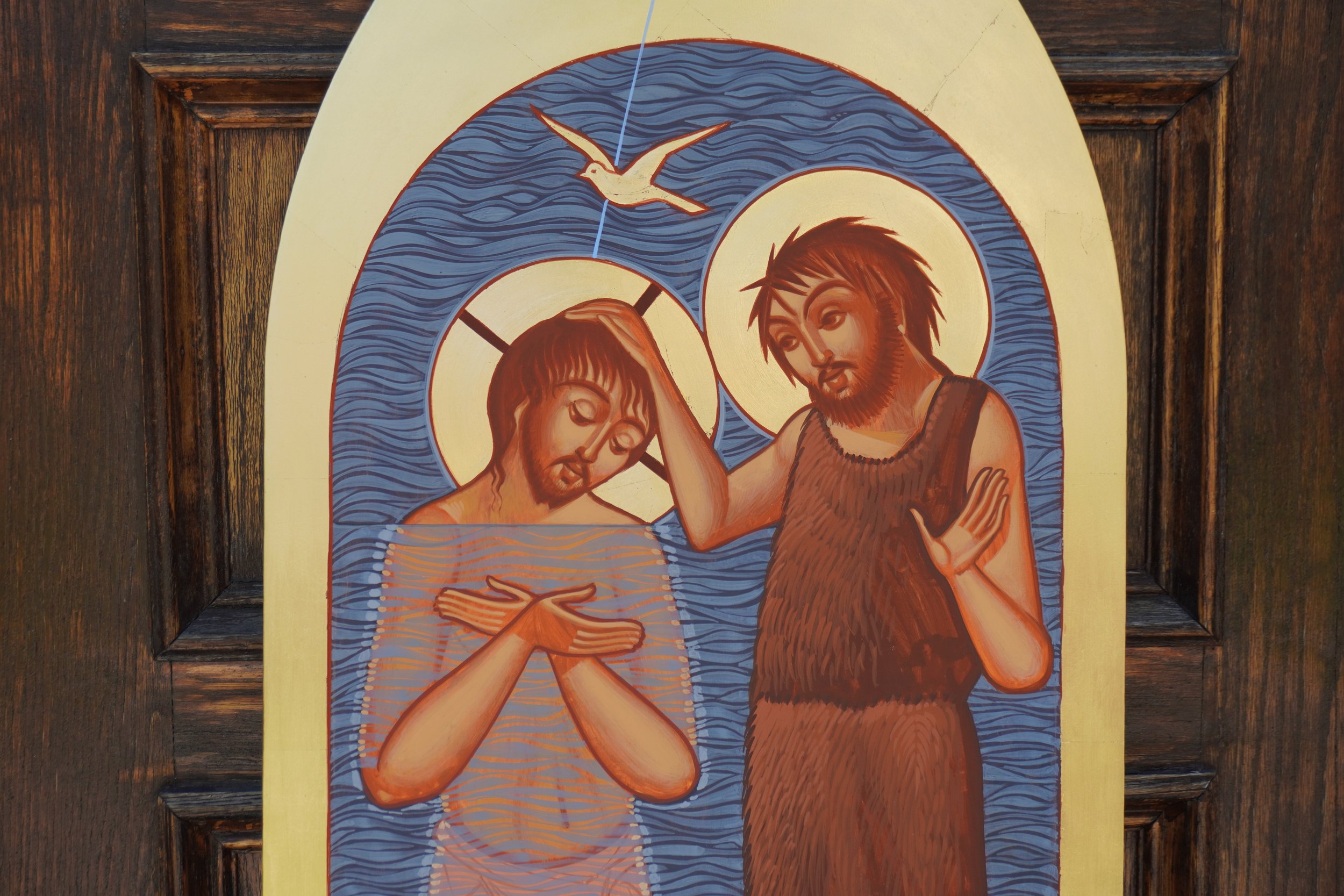
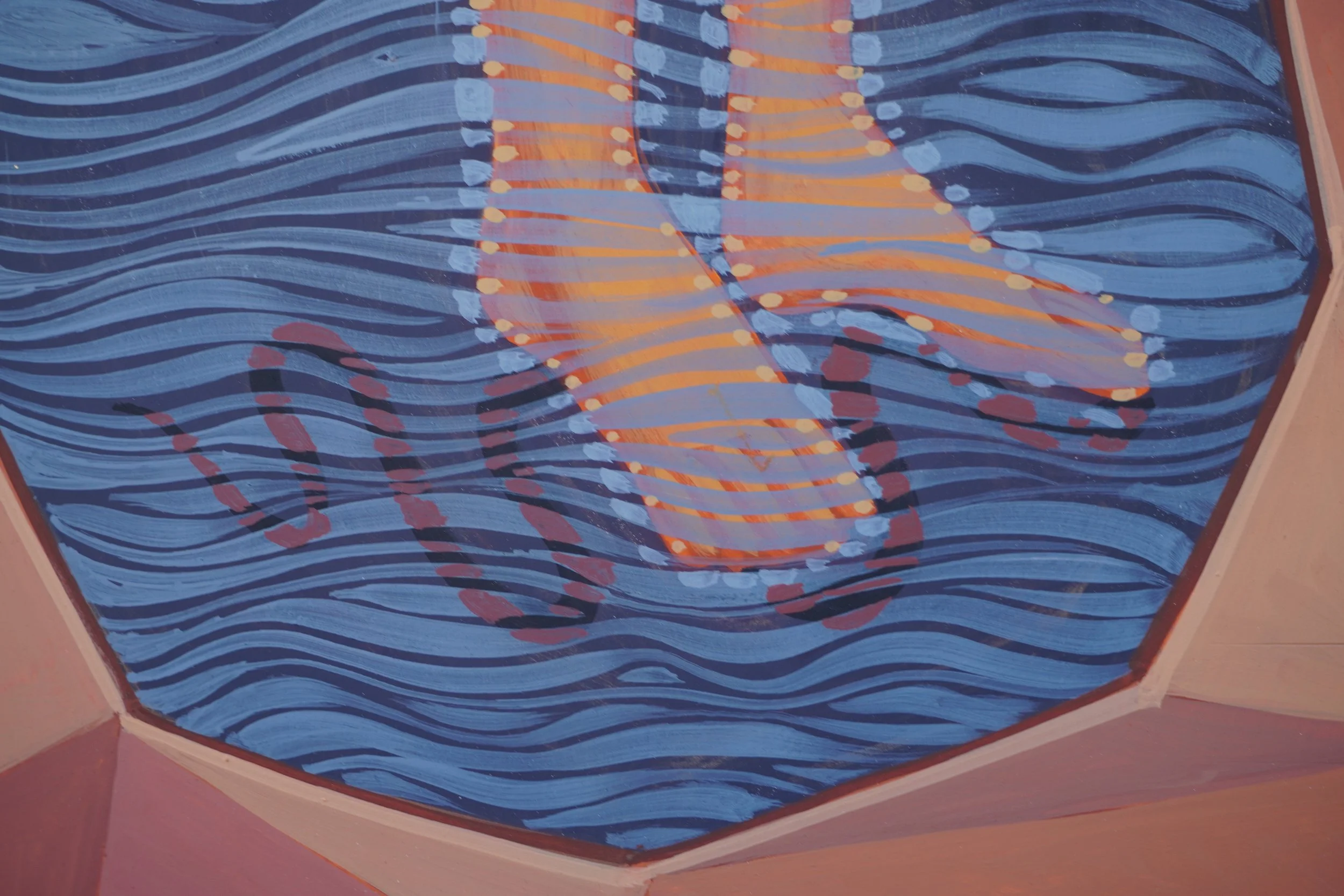
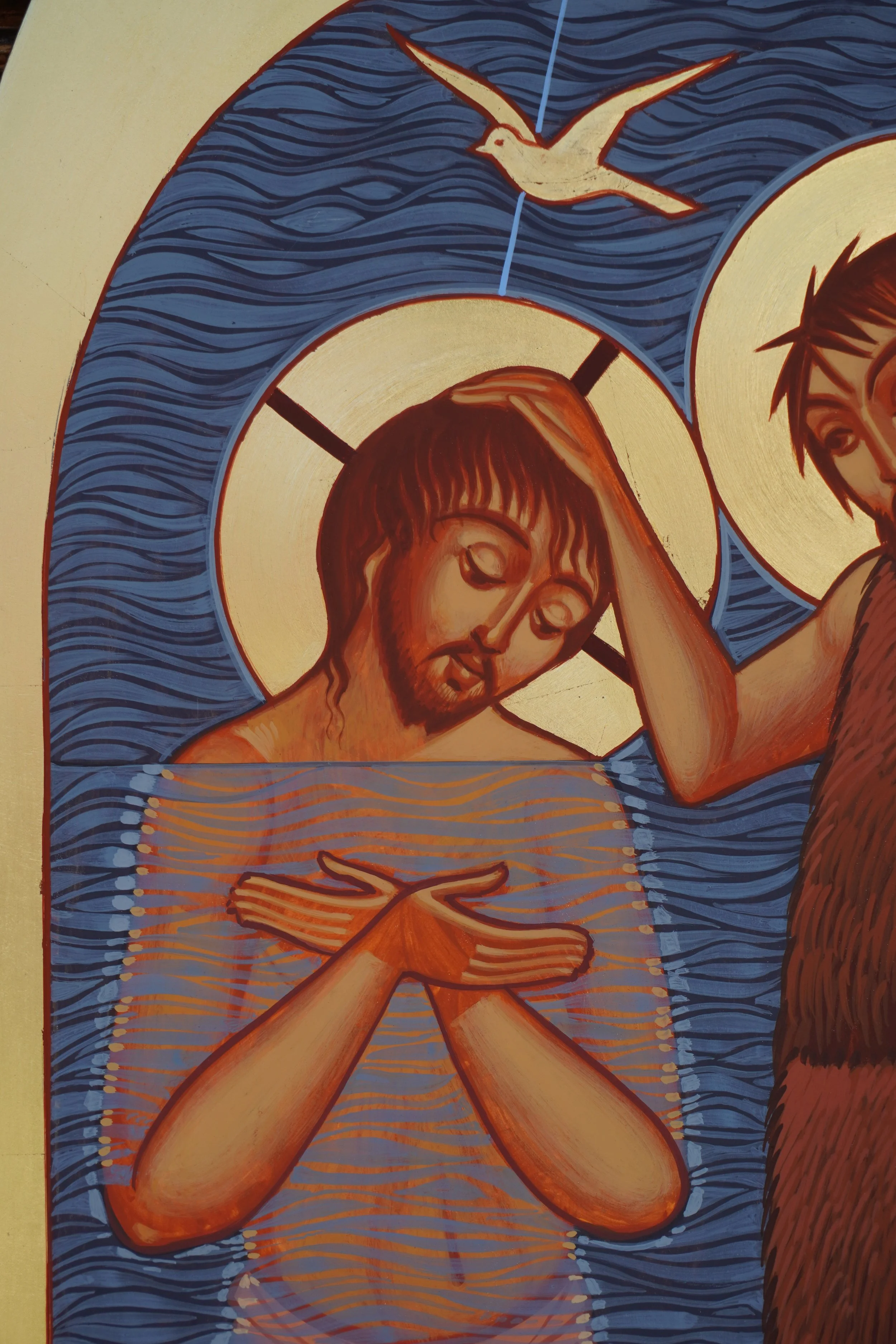
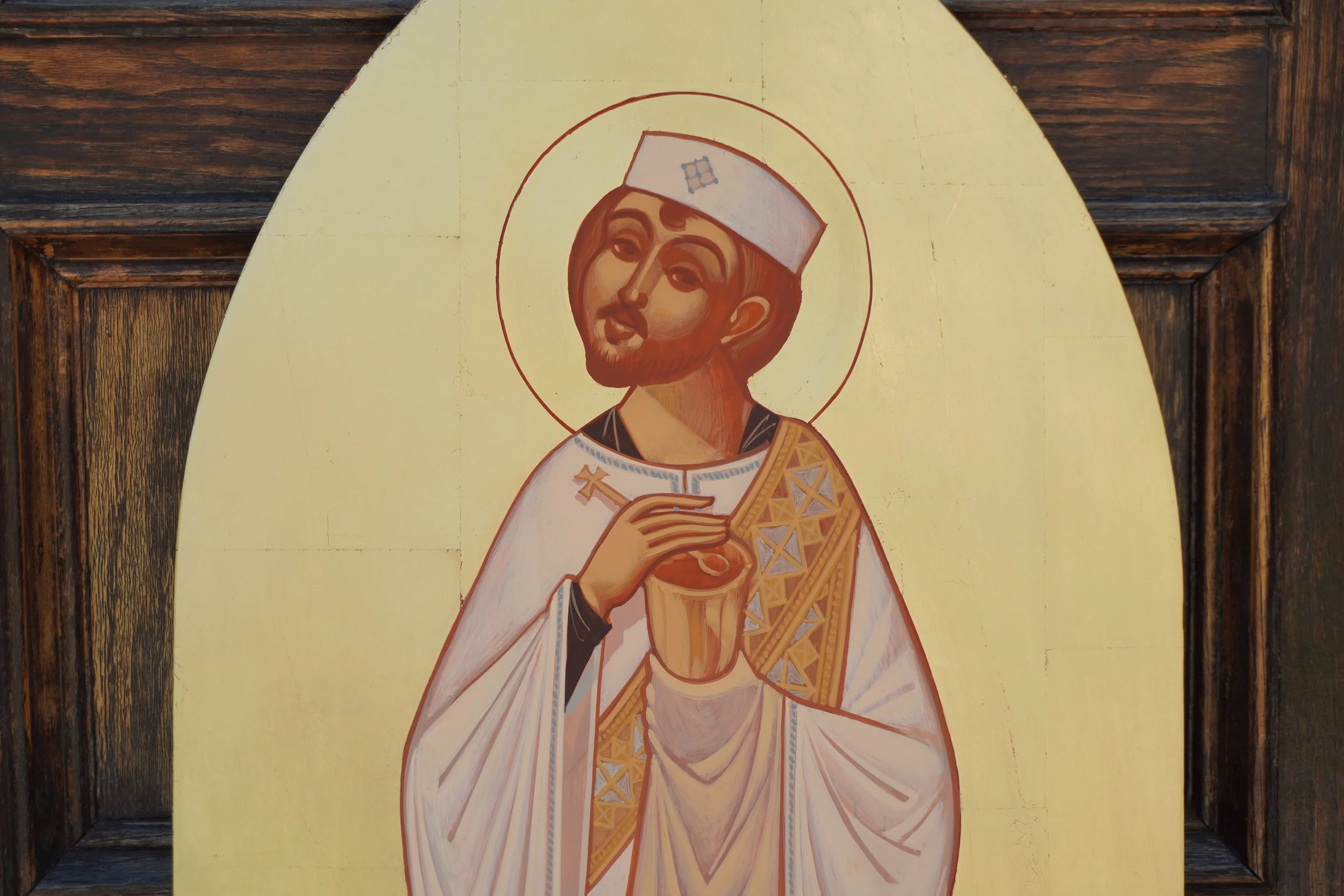
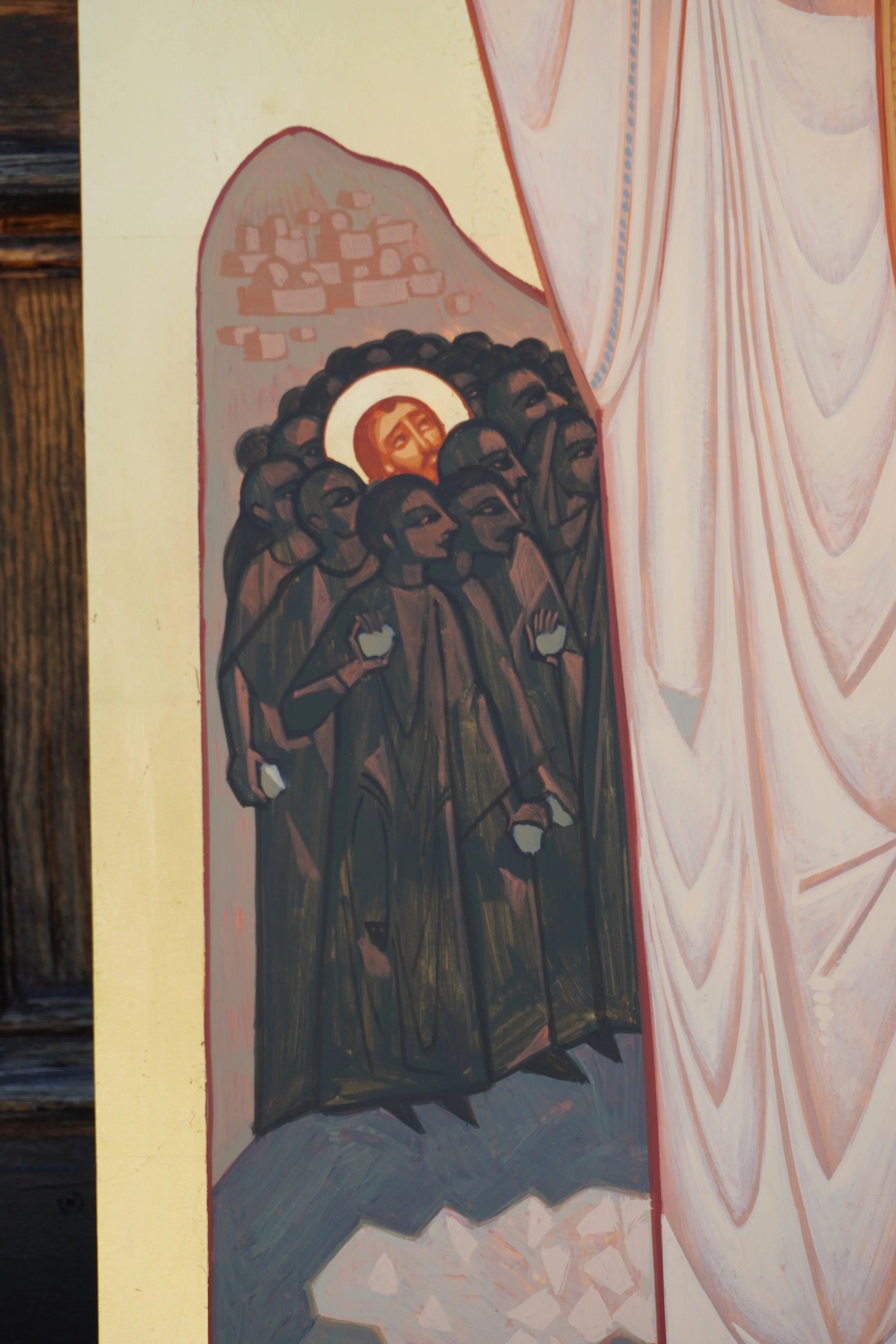
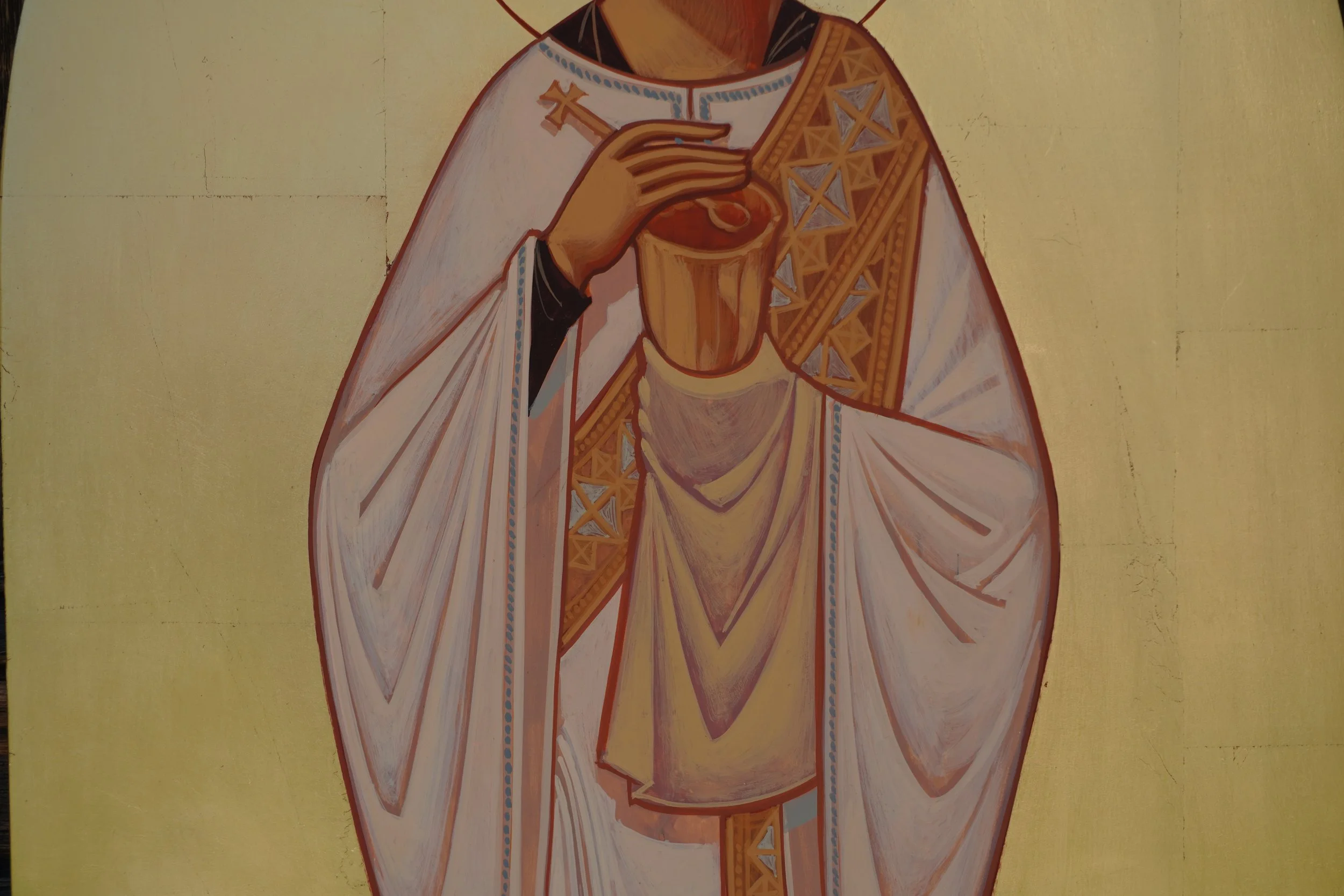
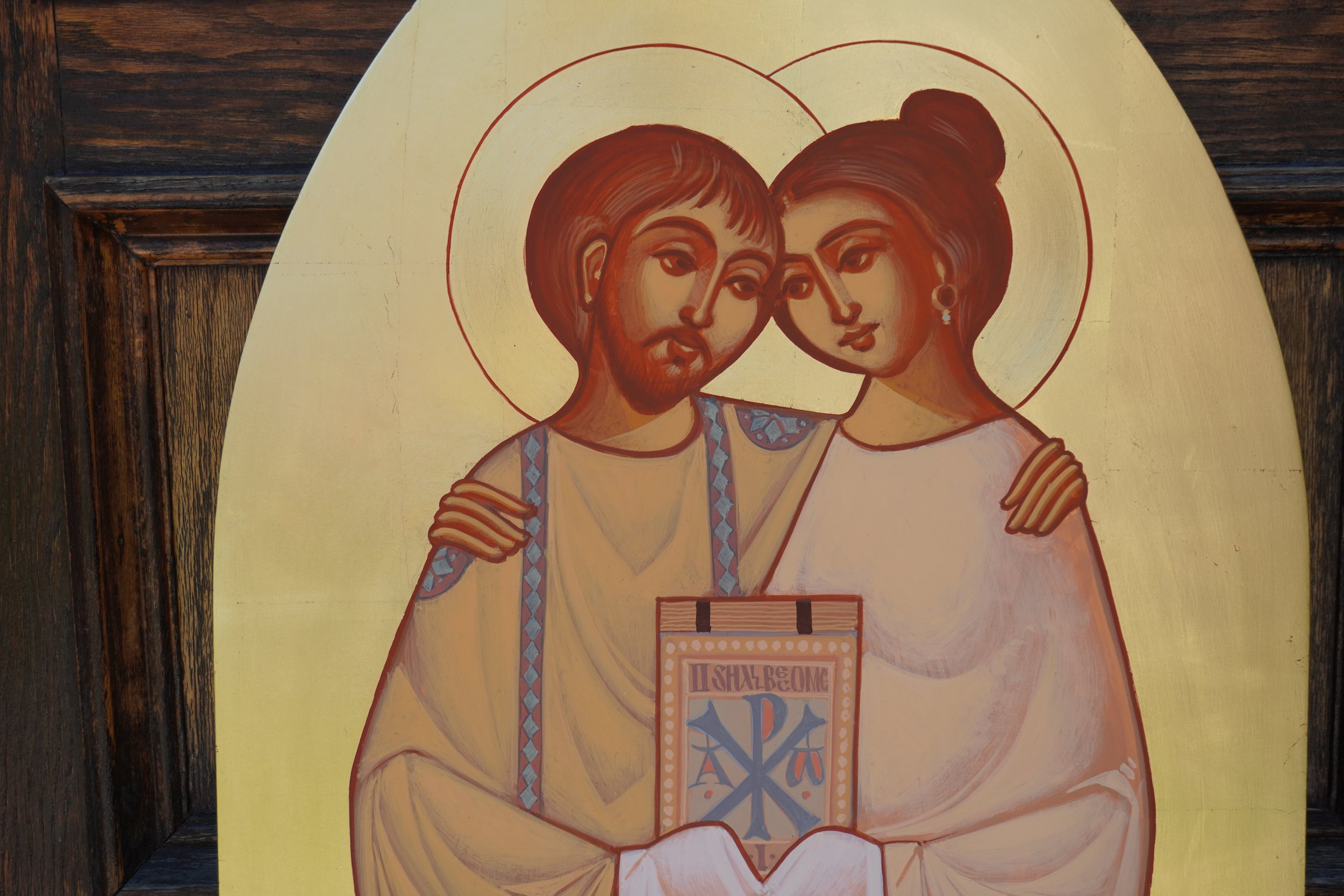
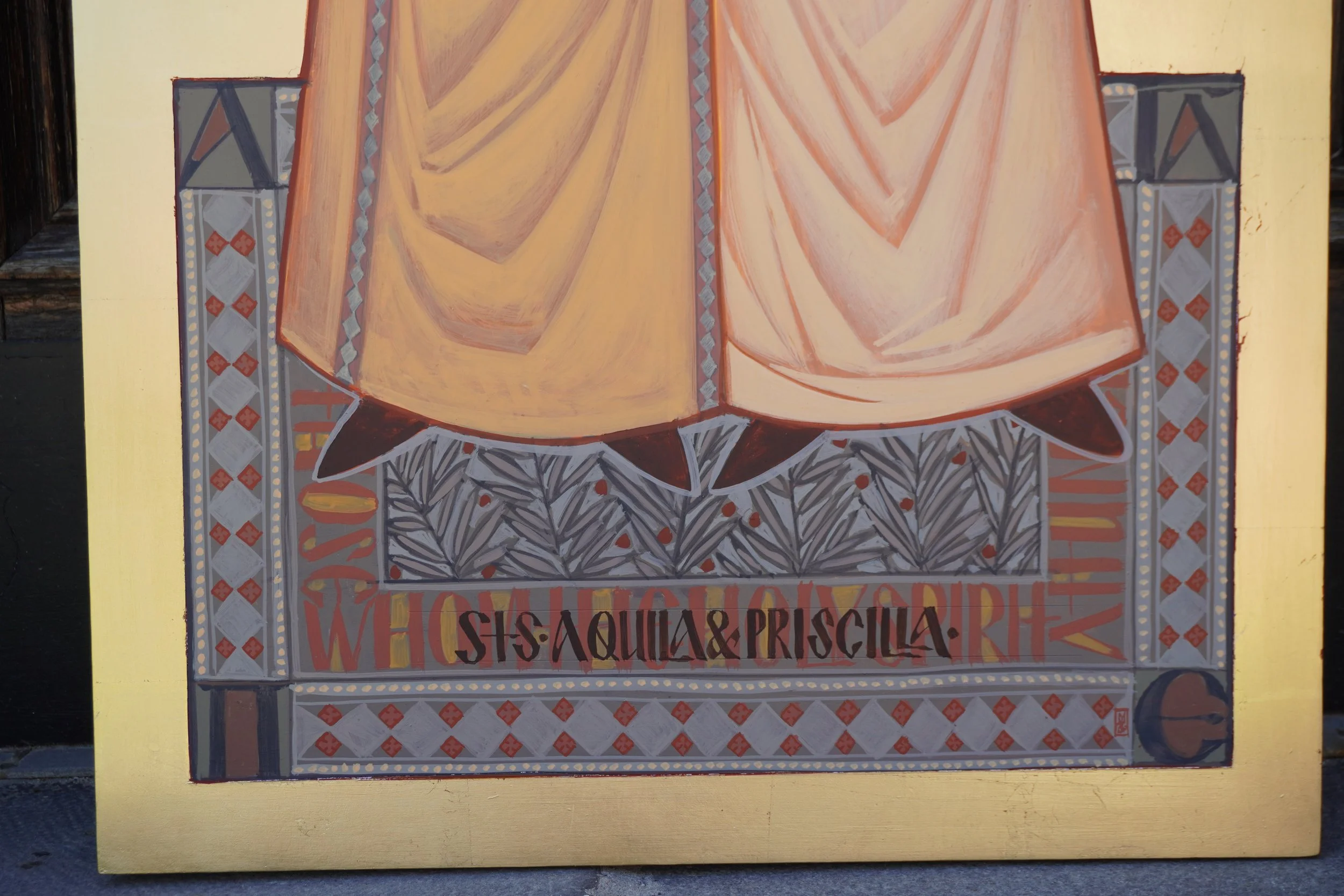
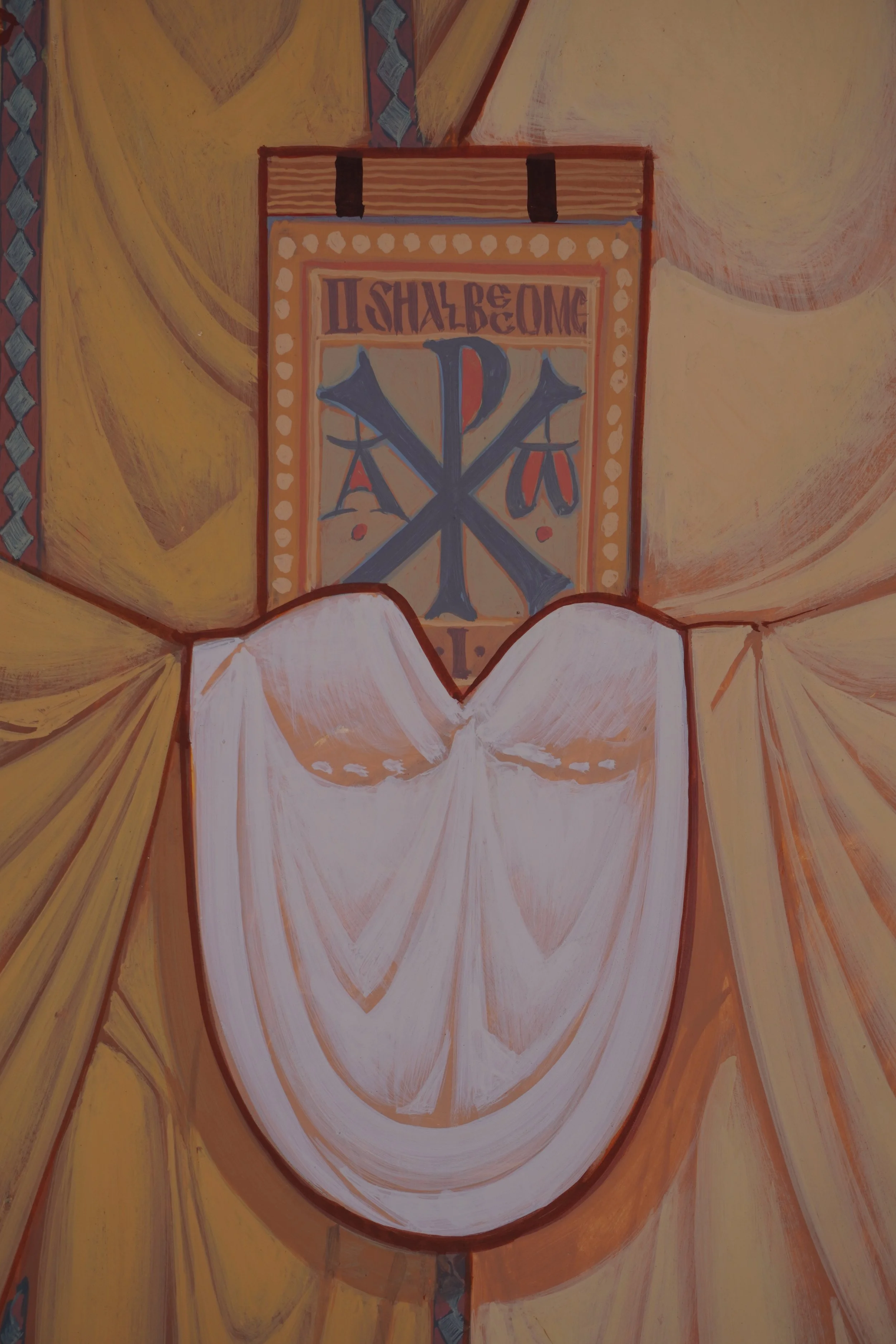
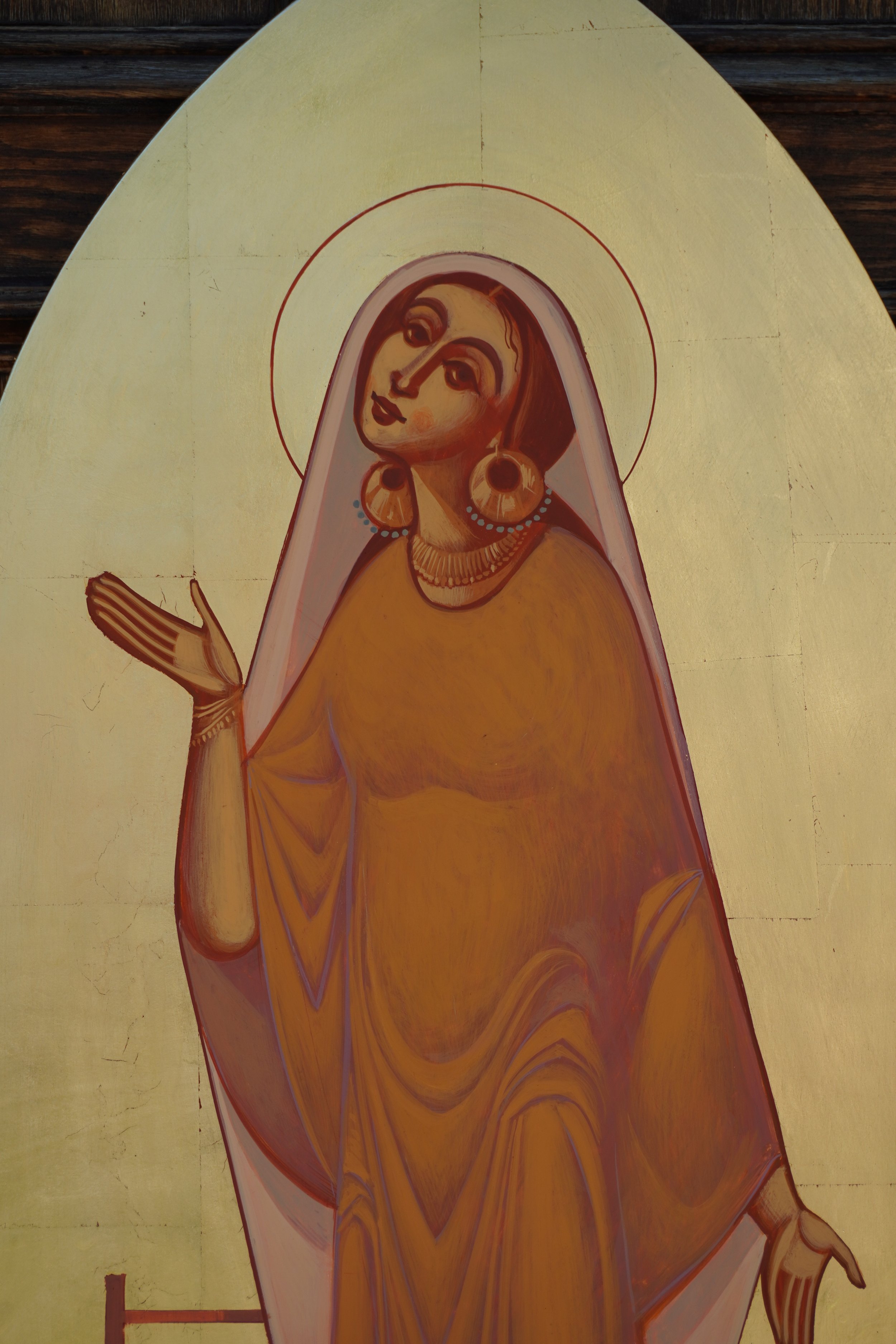
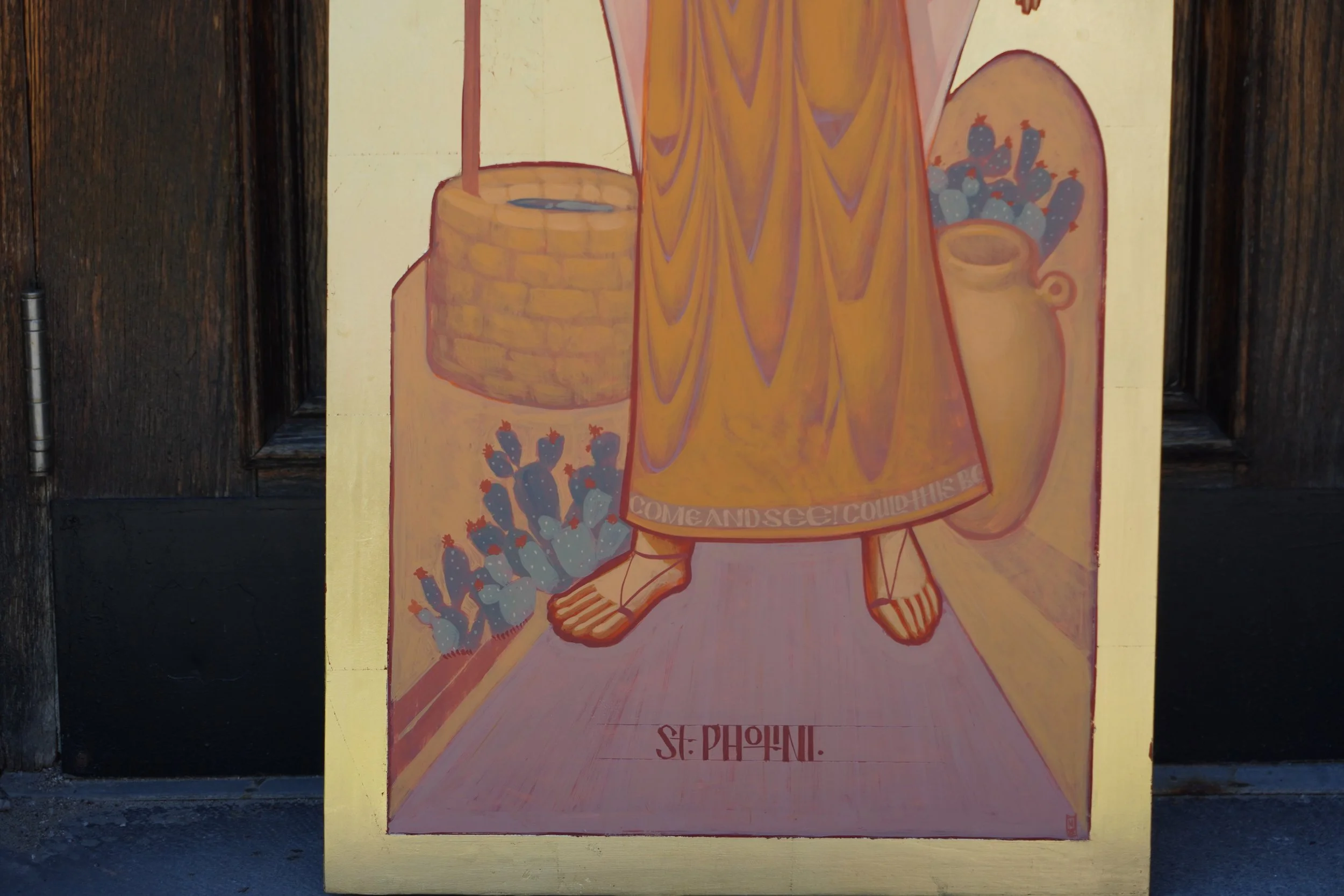
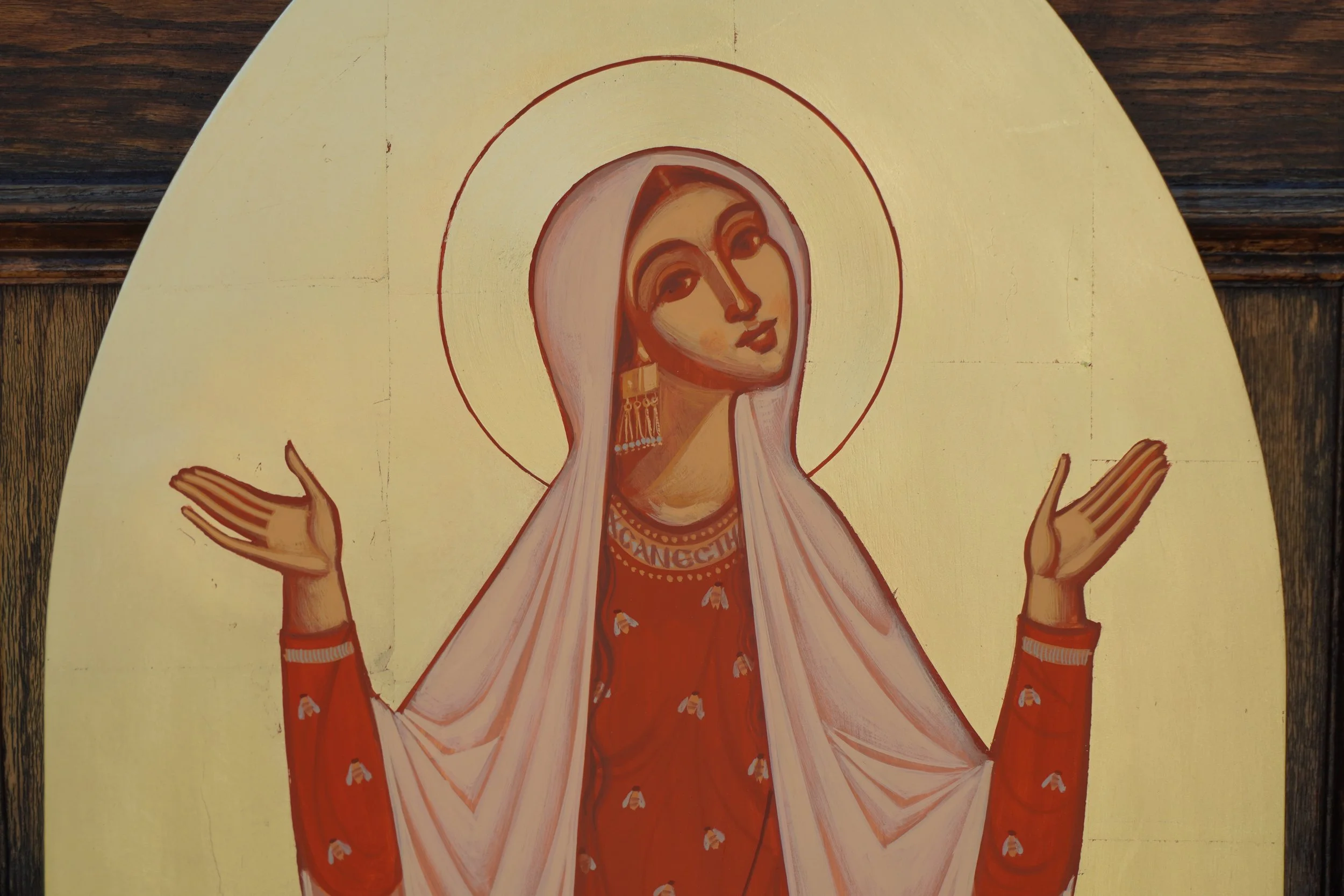
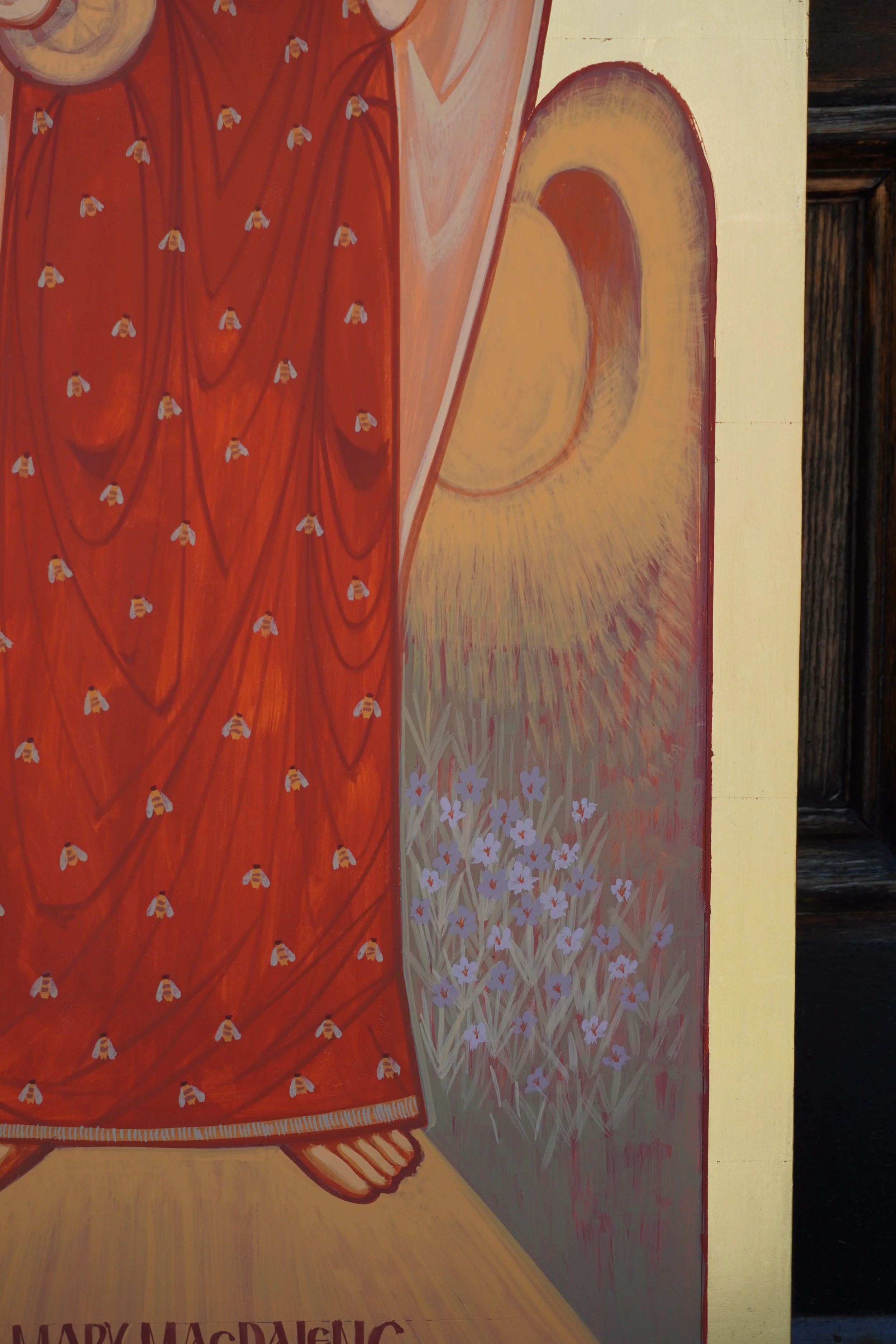
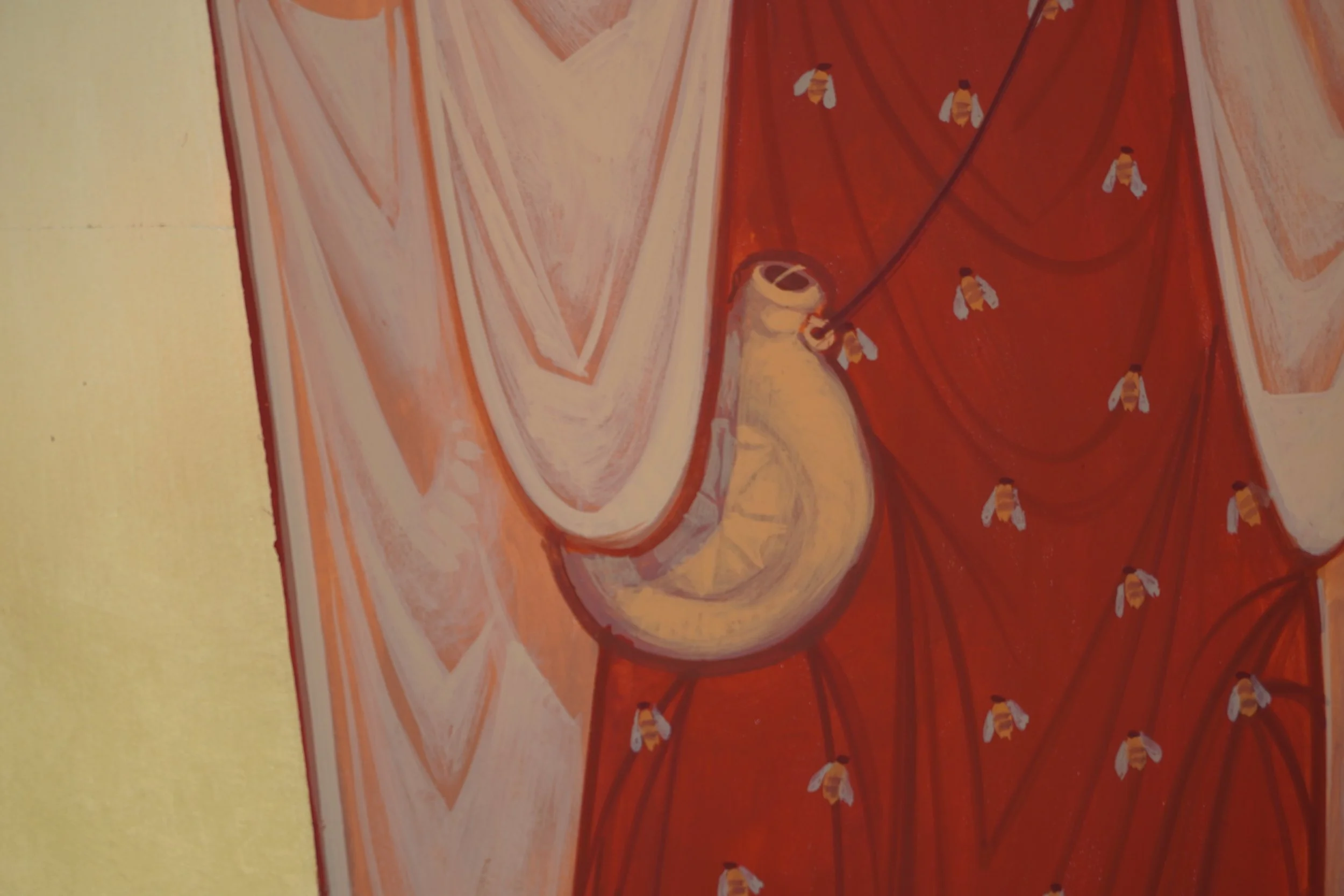
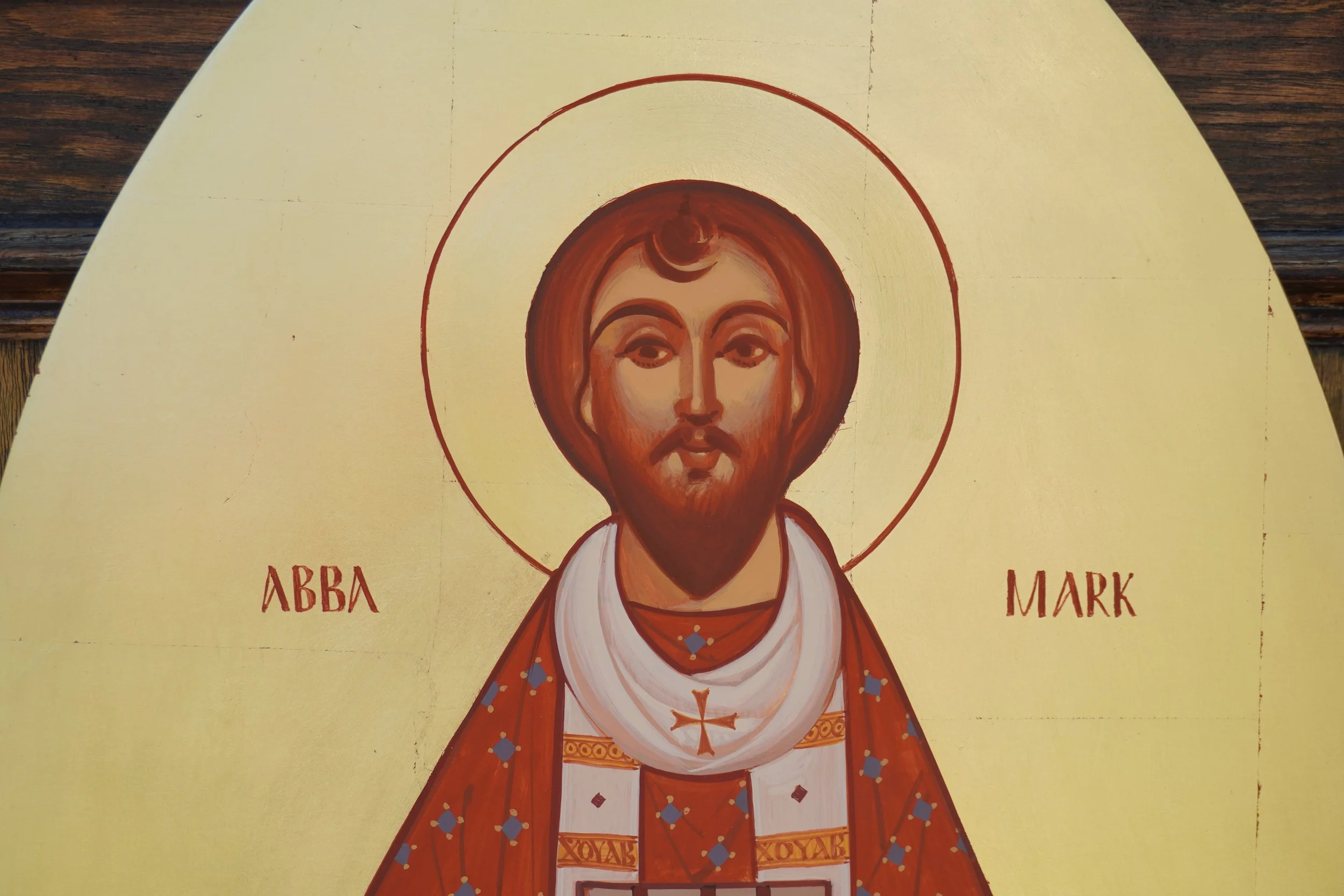
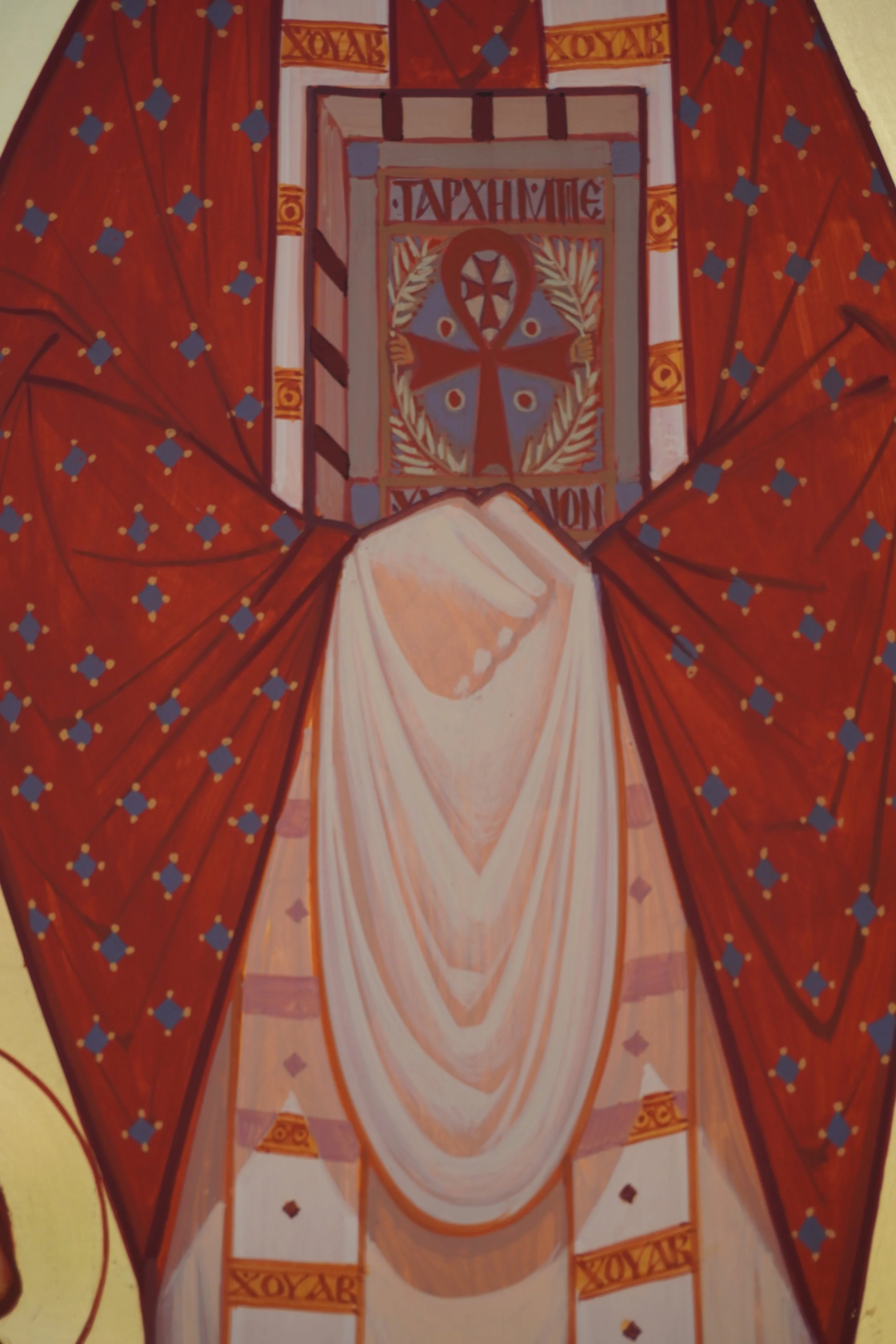
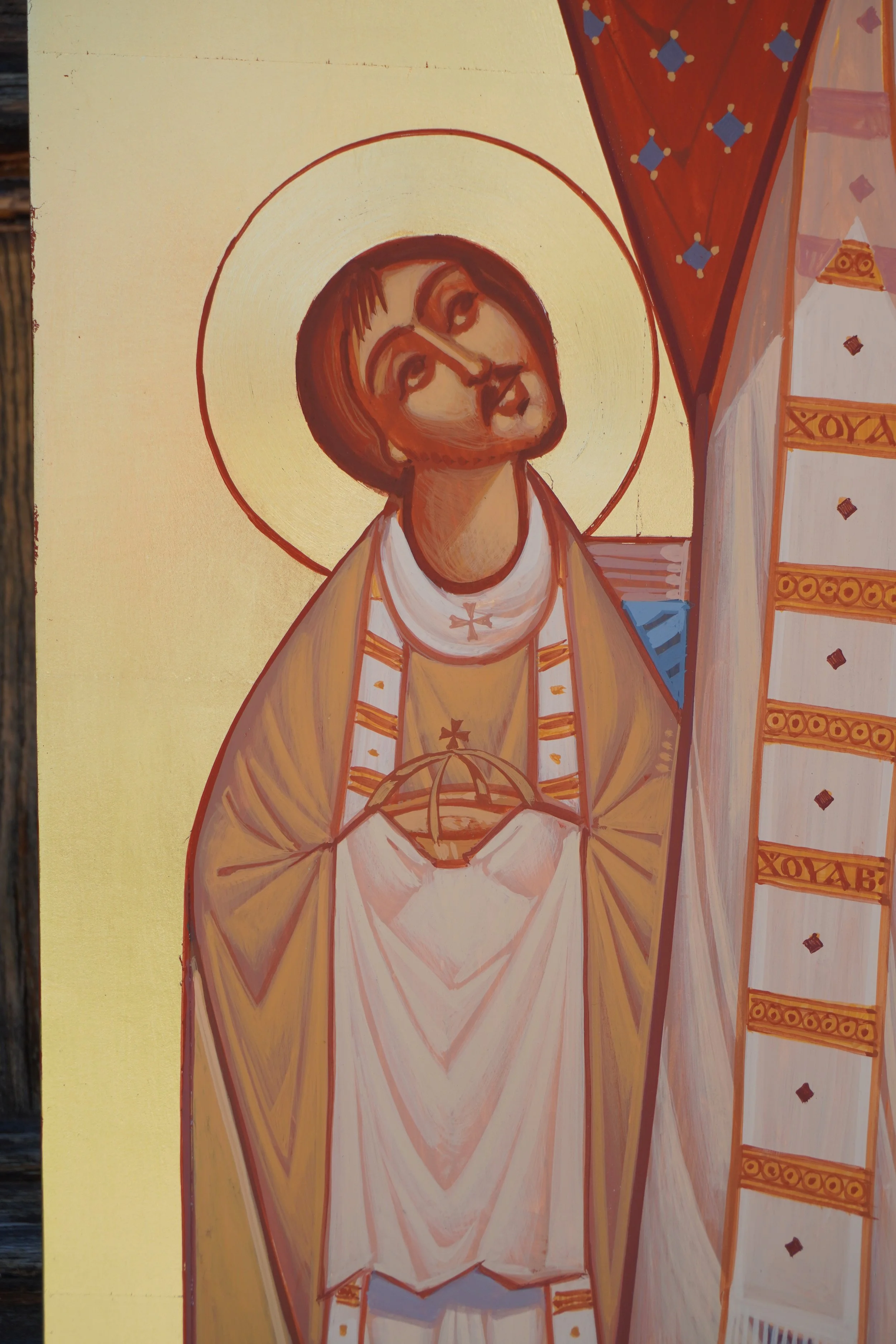
The iconostasis icons consist of the traditional five (Christ, the Mother of God, annunciation, theophany, and St Mark), as well as St Paul, the patron saint of the church, and five missionary figures from the early Church: St Stephen, Sts Aquila and Priscilla, St Mary Magdalene, and St Photini. The three figures on the left (St Mark, St Mary Magdalene, and St Photini) are all associated with the Gospels, being among the first to preach the Good News (Photini being the first to preach Christ during His ministry, Mary Magdalene being the first to preach the resurrection, and St Mark being the first to author a gospel). The figures on the right are characterized by their relationship to St Paul and their prominence in the book of Acts. In this overview the iconographer shares more thoughts about the project.